In any industrial or maintenance environment, ensuring the safety of workers is paramount. One of the most effective safety measures in place for managing hazardous energy during maintenance work is the Lockout Tagout (LOTO) procedure. Central to this procedure are Lockout Tagout padlocks, specifically designed tools that help ensure that machines and equipment cannot be operated while maintenance or servicing is taking place. This article delves into the significance, features, and best practices surrounding lockout tagout padlocks, emphasizing their crucial role in maintaining workplace safety.
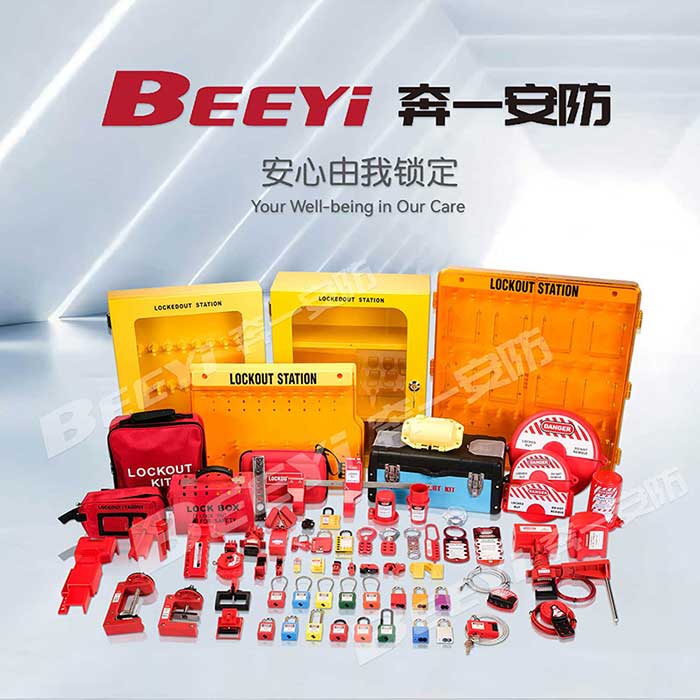
What are Lockout Tagout Padlocks? Lockout Tagout padlocks are specialized locks used in the LOTO process to secure energy-isolating devices. These locks are designed to prevent the accidental or unauthorized operation of machinery during maintenance or repair work. By physically securing equipment in a “locked-out” state, these padlocks protect workers from potential injuries associated with the unexpected release of hazardous energy—be it electrical, mechanical, hydraulic, or pneumatic. Importance of Lockout Tagout Procedures The primary purpose of lockout/tagout procedures is to ensure that hazardous equipment cannot be inadvertently activated while employees are working on it. According to the Occupational Safety and Health Administration (OSHA), failure to implement effective lockout/tagout procedures can lead to severe injuries or fatalities. The LOTO process involves shutting down equipment, isolating the energy source, locking it to prevent re-energization, and tagging it to inform others that maintenance is in progress.