In today’s rapidly evolving industrial environment, safety is paramount. Machines and systems are increasingly automated, and while they bring higher efficiency, they also introduce new safety challenges. To ensure the protection of workers and equipment, safety mechanisms must be in place. One of the most essential safety components used in industrial automation is the Safety Relay. This article will explore the concept, working principle, applications, and importance of safety relays in industrial safety systems.
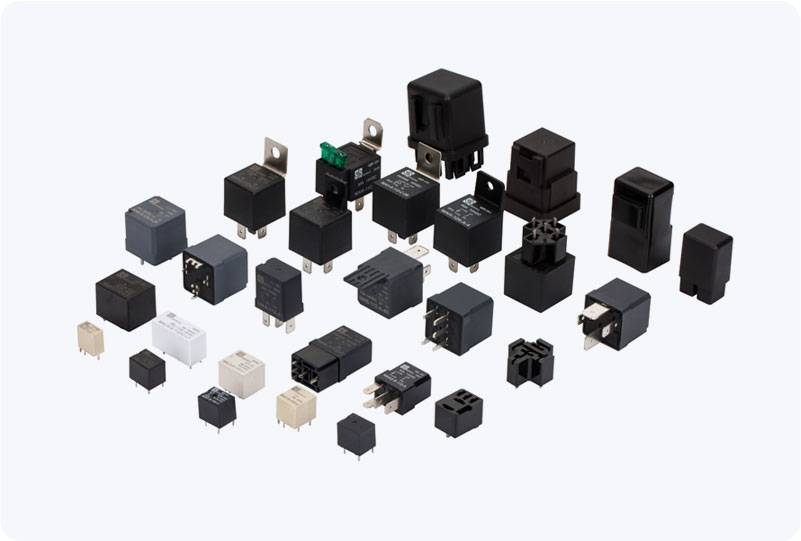
What is a Safety Relay? A Safety Relay is an electromechanical relay designed to monitor safety-related inputs and trigger safety actions to protect operators from harm. It serves as an interface between safety sensors—such as emergency stop buttons, light curtains, safety gates, or pressure mats—and the machinery or automation system. When a safety device is triggered (e.g., an emergency stop button is pressed), the safety relay immediately interrupts the operation of machinery, cutting off power or initiating a safe shutdown. Safety relays are designed to meet stringent international safety standards, such as IEC 61508 (Functional Safety of Electrical/Electronic/Programmable Electronic Safety-related Systems) and ISO 13849-1 (Safety of Machinery—Safety-related Parts of Control Systems). These certifications ensure that safety relays operate reliably even in high-risk environments, reducing the chance of accidents caused by equipment failure.