The 24VDC power relay is a fundamental component in various electrical and electronic systems, playing a crucial role in controlling circuits efficiently and reliably. As technology advances, the demand for components that can operate safely under low-voltage conditions has propelled the popularity of 24VDC power relays across numerous applications, including industrial automation, automotive electronics, and home appliances. This article delves into the dynamics of 24VDC power relays, exploring their construction, operational principles, applications, benefits, and essential selection criteria.
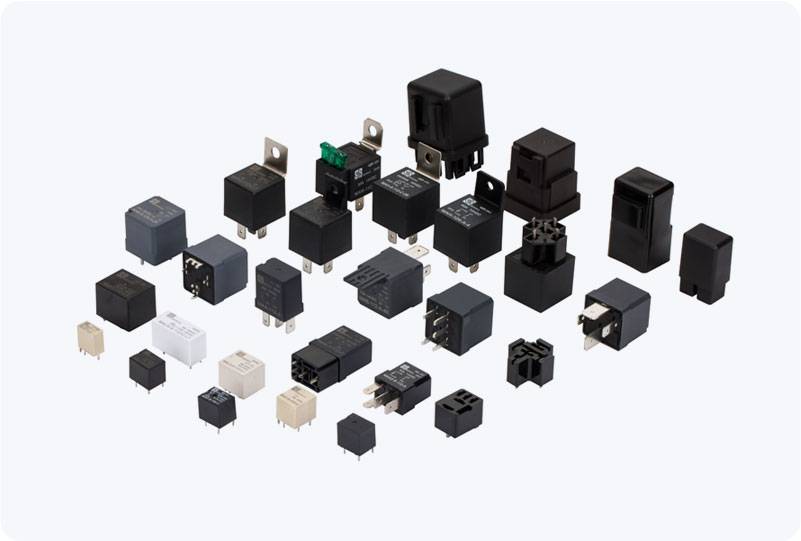
Construction and Working Principle A typical 24VDC power relay consists of several key components: the coil, contacts, armature, and housing. The coil is an electromagnetic component that, when energized with a 24V direct current, creates a magnetic field. This magnetic field attracts a movable armature, which, in turn, opens or closes electrical contacts. The contacts can be configured as normally open (NO), which means they remain open until the relay is activated, or normally closed (NC), which signifies they stay closed until activation occurs. When the coil is energized, the resulting magnetic force causes the armature to shift, toggling the contacts. This action allows the relay to control a high-power circuit using a lower power signal, effectively enabling the management of devices or systems that operate at higher voltage levels safely.