Relay testing is a crucial practice in electrical power systems, ensuring that protective relays and automation equipment perform correctly during faults or abnormal conditions. These relays are integral components that protect electrical circuits from damage caused by overloads, short circuits, and other electrical faults. Properly functioning relays ensure the stability and safety of the power system, preventing failures that could lead to costly repairs, equipment downtime, and even potential hazards.
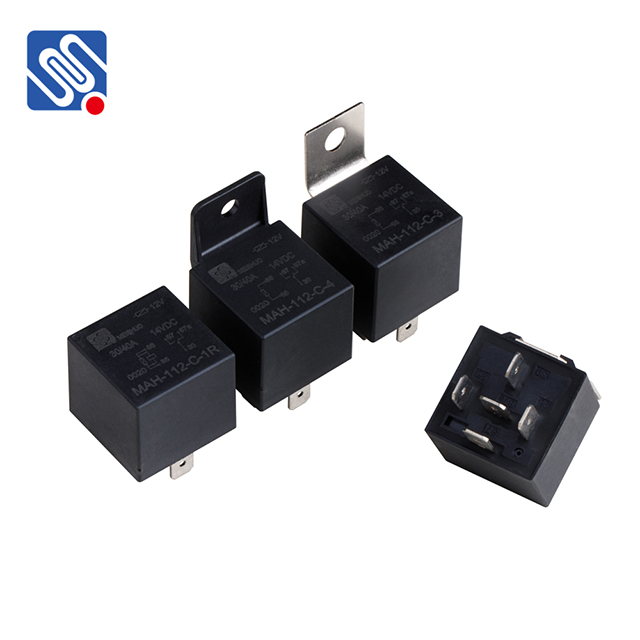
What is Relay Testing? Relay testing involves evaluating the performance of protective relays to ensure they operate as expected under fault conditions. These tests are designed to verify that the relays will trip and disconnect the affected parts of the electrical system when necessary, providing reliable protection for the system. Relay testing can be done manually or with automated testing equipment and includes a variety of assessments such as functional testing, timing delays, and fault simulation. Why is Relay Testing Important? Ensures Protection of Electrical Equipment
The primary purpose of protective relays is to safeguard electrical equipment from damage due to faults like short circuits, overloads, and ground faults. If these relays fail to operate properly, electrical equipment such as transformers, generators, and transmission lines could suffer from prolonged exposure to dangerous conditions. Relay testing ensures that these devices will trigger appropriately, isolating faulty parts of the system and preventing further damage.