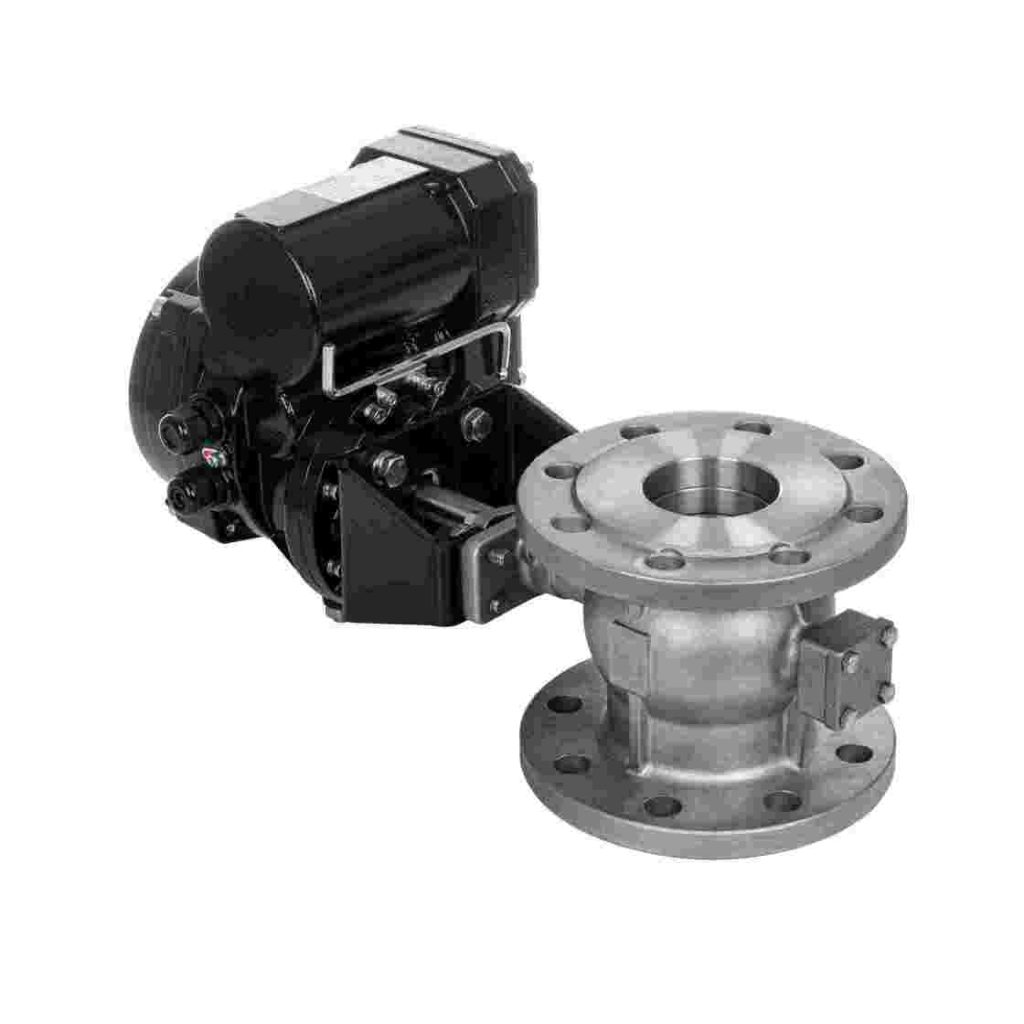
In the world of industrial automation, efficient and reliable valve control systems are crucial for maintaining the seamless operation of various processes. With the increasing demand for energy-efficient and environmentally friendly solutions, the adoption of lithium battery-powered electric valves has gained significant traction. These valves, which utilize lithium battery technology to operate, are revolutionizing the way industries manage fluid and gas flow control. This article will explore the advantages, applications, and future potential of lithium battery electric valves in the industrial sector.
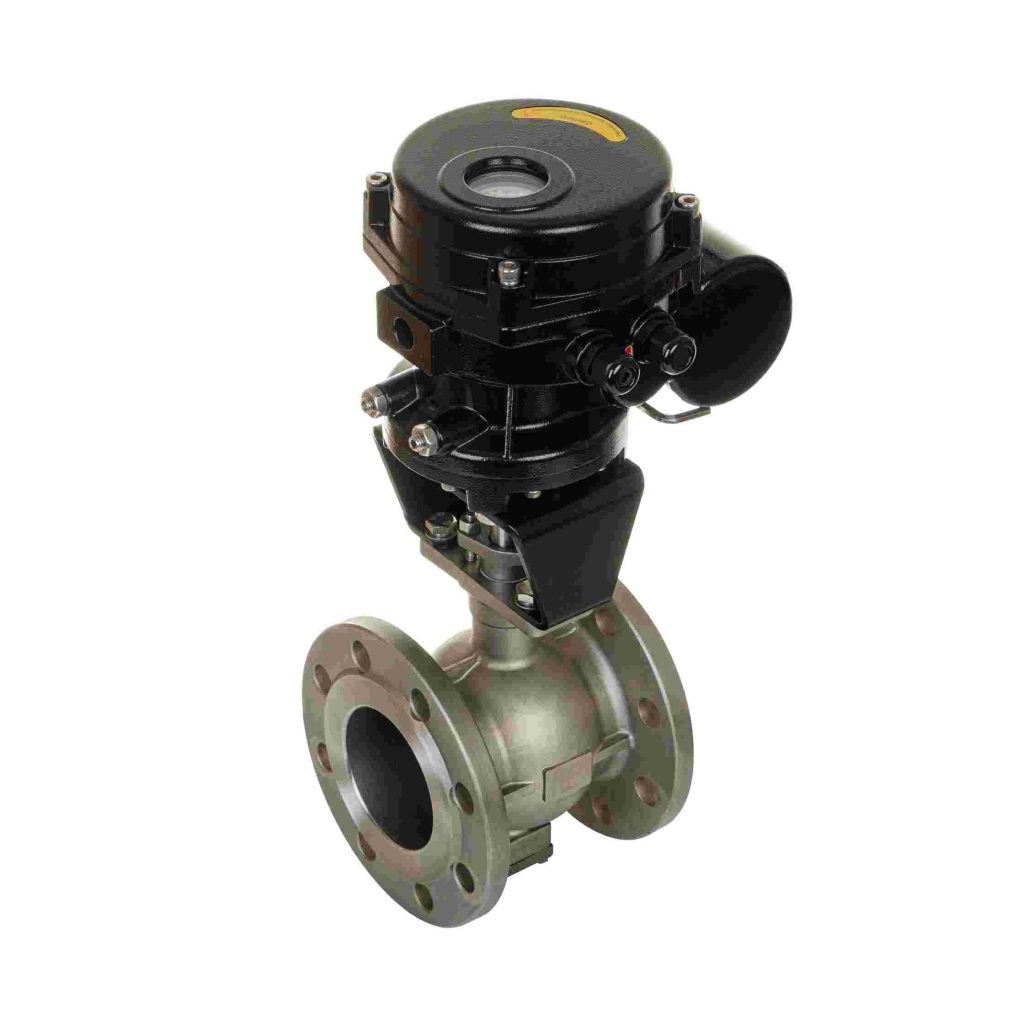
What Are Lithium Battery Electric Valves?
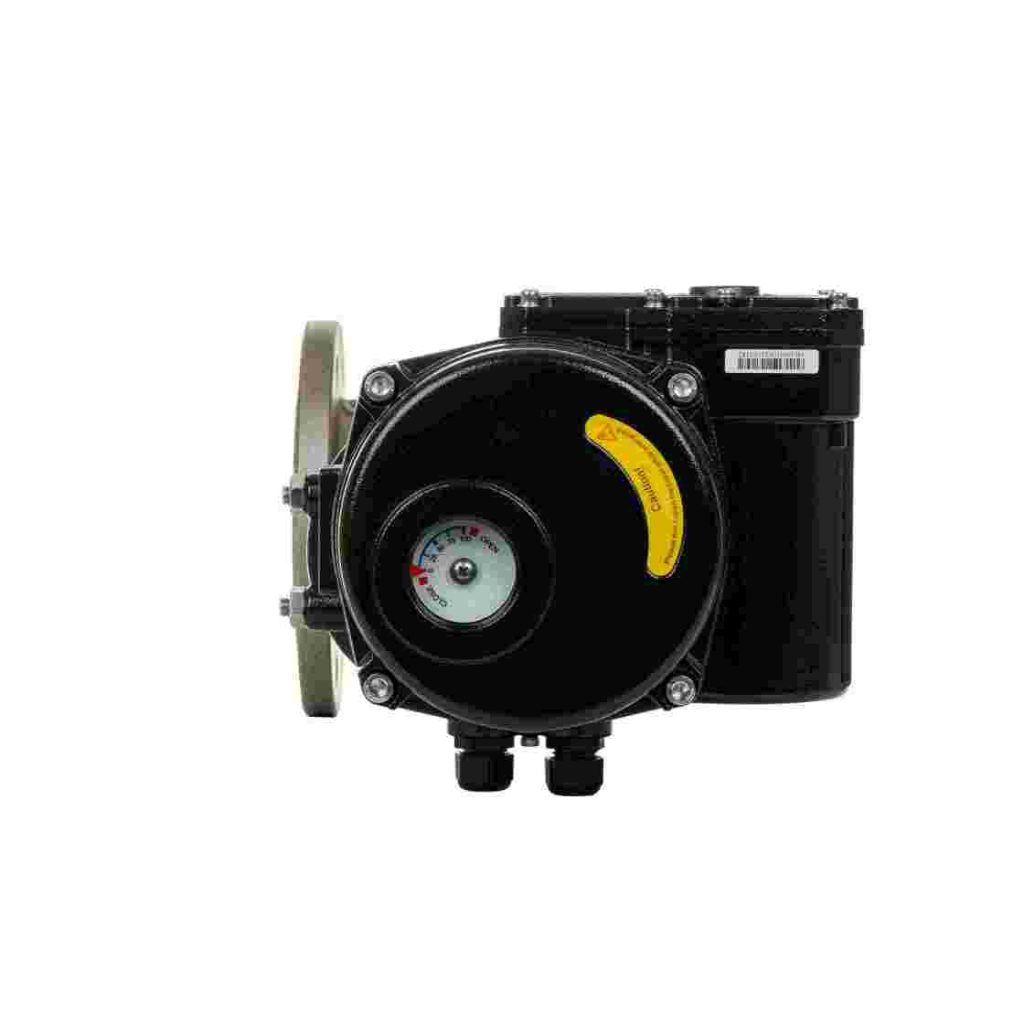
Lithium battery electric valves are electrically operated valves that are powered by lithium-ion batteries instead of conventional power sources like AC mains or pneumatic systems. These valves consist of a valve body, actuator, and a lithium-ion battery, which provides the necessary power to operate the valve’s opening and closing mechanisms. The use of lithium-ion batteries makes these valves highly efficient, long-lasting, and compact, offering unique advantages over traditional valve systems. Advantages of Lithium Battery Electric Valves Energy Efficiency One of the most significant benefits of lithium battery electric valves is their energy efficiency. Lithium-ion batteries are known for their high energy density and long lifespan. Unlike traditional valve systems that may require constant external power, lithium battery-powered valves can operate autonomously for extended periods without the need for external electrical sources. This reduces energy consumption and makes them a cost-effective solution for industries aiming to optimize their energy use.