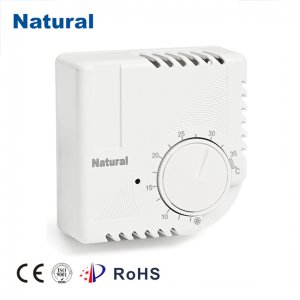
An adjustable temperature control switch is an essential component in a wide variety of devices, from home appliances to industrial machinery. As the name suggests, this switch allows users to set and control the temperature of a system, ensuring that it operates within desired limits. This article will explore the features, applications, and benefits of an adjustable temperature control switch, demonstrating why it is a critical tool in modern temperature regulation.
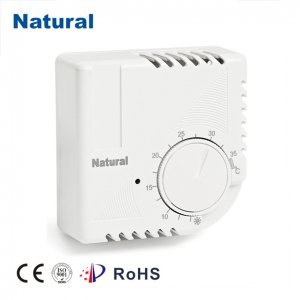
What Is an Adjustable Temperature Control Switch?
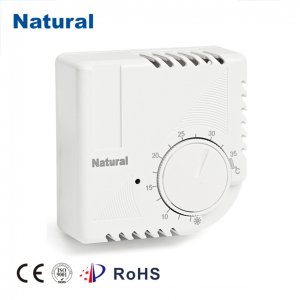
An adjustable temperature control switch is a device that enables users to control the temperature of a system by turning the circuit on or off based on a set temperature threshold. The switch uses a sensor—typically a thermistor, thermocouple, or bimetallic strip—that reacts to temperature changes. When the temperature exceeds or drops below a user-defined setting, the switch automatically activates or deactivates the circuit, ensuring that the system stays within the desired temperature range. One of the key features of this type of switch is its adjustability. Unlike basic on/off temperature switches, which only operate at a fixed temperature, the adjustable version allows users to set their preferred temperature limit. This flexibility is particularly important for systems where temperature needs to be fine-tuned for optimal performance, safety, or energy efficiency.