A Direct Acting Solenoid Valve is an essential component used in various industrial and commercial applications for controlling fluid flow. Unlike conventional solenoid valves, which rely on system pressure to assist in valve operation, direct-acting solenoid valves use an electromagnetic coil to directly control the movement of the valve’s internal components. This direct action provides significant advantages in certain scenarios, such as low-pressure systems or applications requiring rapid response times.
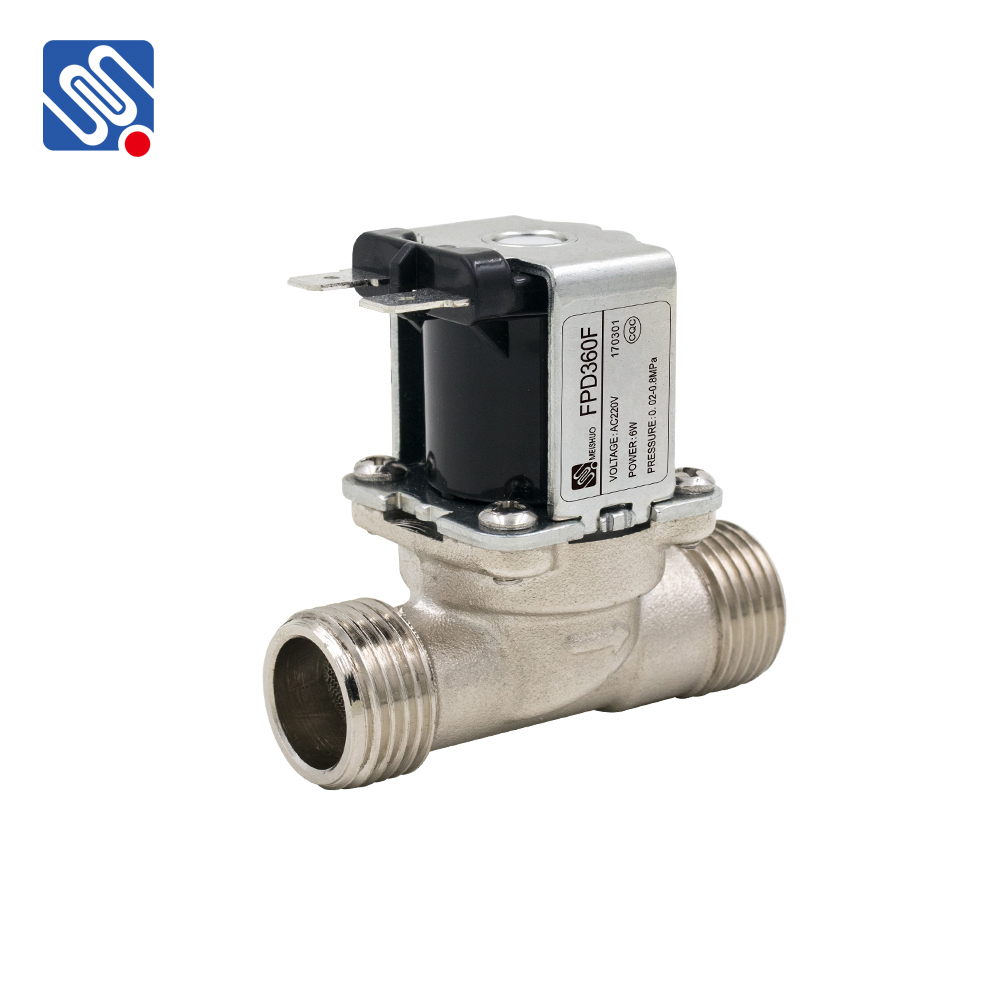
What is a Direct Acting Solenoid Valve? A Direct Acting Solenoid Valve consists of a solenoid coil and a valve mechanism that is operated directly by the electromagnetic force generated when current flows through the coil. When electrical power is applied to the solenoid, the resulting magnetic field pulls or pushes the valve plunger, moving the valve between open and closed positions. The valve’s position determines the flow of the fluid, whether it is liquid or gas. The unique feature of direct-acting solenoid valves is that they do not require external pressure to aid in their operation. This makes them ideal for low-pressure applications where other valves may not function effectively. The movement of the valve is purely driven by the solenoid’s magnetic field, which allows for precise control, fast switching times, and reliable performance.