Electric single seat regulating valves are essential components in various industrial applications, offering a high level of precision in controlling fluid flow. These valves are powered by electric actuators and are designed to modulate the flow of liquids, gases, or steam in pipelines with minimal friction and maximum accuracy. In this article, we will explore the key features, applications, and leading manufacturers of electric single seat regulating valves, helping businesses understand the importance of these components in modern industries.
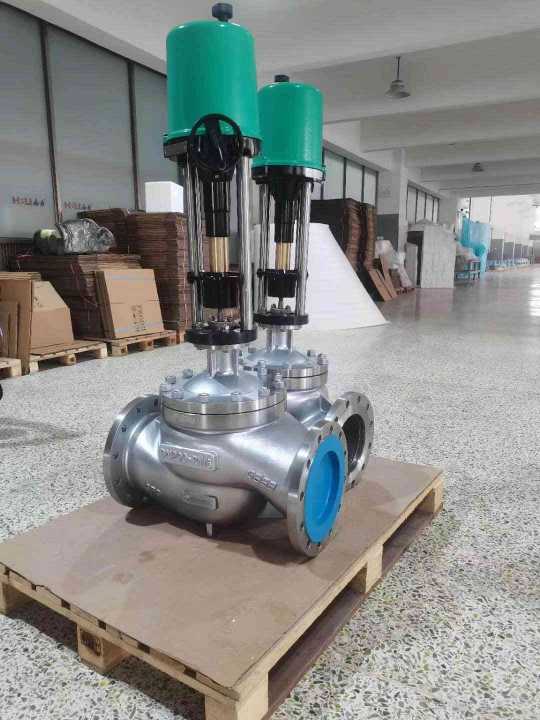
What is an Electric Single Seat Regulating Valve? An electric single seat regulating valve is a type of control valve that uses an electric actuator to adjust the valve’s opening, thereby regulating the flow of fluid. These valves typically feature a single seating element that creates a seal when the valve is closed, offering better control and precision compared to other valve designs. The electric actuator, which can be easily connected to control systems, allows the valve to respond to electrical signals and adjust the flow rate according to the specific needs of the process. The design of these valves ensures that they provide a reliable and accurate method of controlling the flow of fluids in a variety of applications, from industrial automation to energy management. The combination of electric control with the mechanical precision of the valve allows for a high level of adaptability, making these valves essential in many critical processes.