In industrial and manufacturing settings, safety is paramount. Every year, countless accidents occur due to unexpected machinery startup during maintenance or repair activities. To mitigate these risks, organizations implement safety protocols, and one indispensable tool in this safety arsenal is the lockout hasp. This article delves into the application of lockout hasps, elucidating their significance in safeguarding employees and promoting a culture of safety.
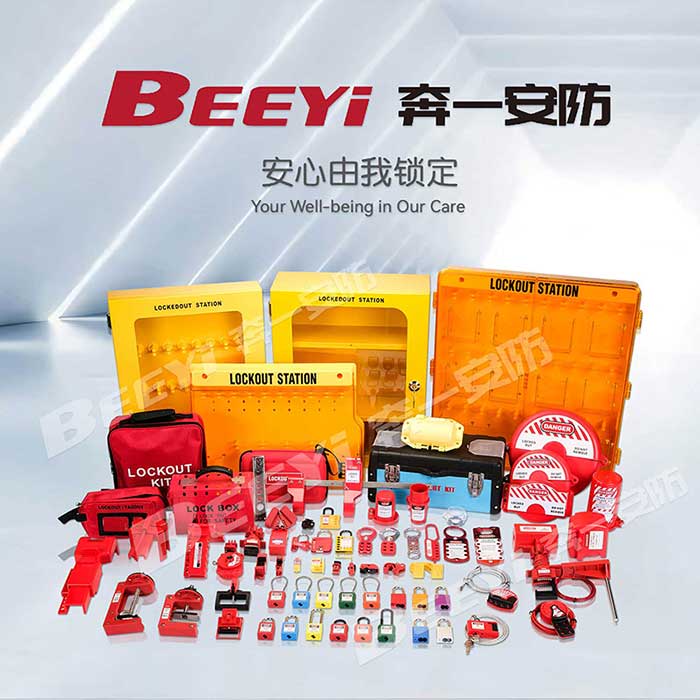
What are Lockout Hasps? Lockout hasps are devices designed to secure machinery against accidental activation during maintenance or repair. They work by physically blocking access to a machine’s power source, ensuring that it cannot be turned on until the hasp is removed. Typically made of durable materials such as steel or heavy-duty plastic, these hasps accommodate multiple locks, allowing multiple workers to secure the same equipment simultaneously. Applications of Lockout Hasps Industrial Equipment Maintenance One of the primary applications of lockout hasps is in the maintenance of industrial equipment. When technicians perform machine servicing, they must ensure that all potential energy sources are controlled and locked out. By applying a lockout hasp to the energy disconnect—whether it’s a valve, switch, or breaker—the technician can prevent any unauthorized access or accidental re-energization of the machinery. This practice significantly reduces the likelihood of injuries caused by unexpected machine movements.