Water solenoid valves are essential components in various fluid control systems, enabling precise management of water flow in numerous applications. They function using an electromagnetic mechanism that either opens or closes the valve in response to electrical signals. This article explores the functionality, applications, and advantages of water solenoid valves, providing insights into why they are widely used in both industrial and domestic settings.
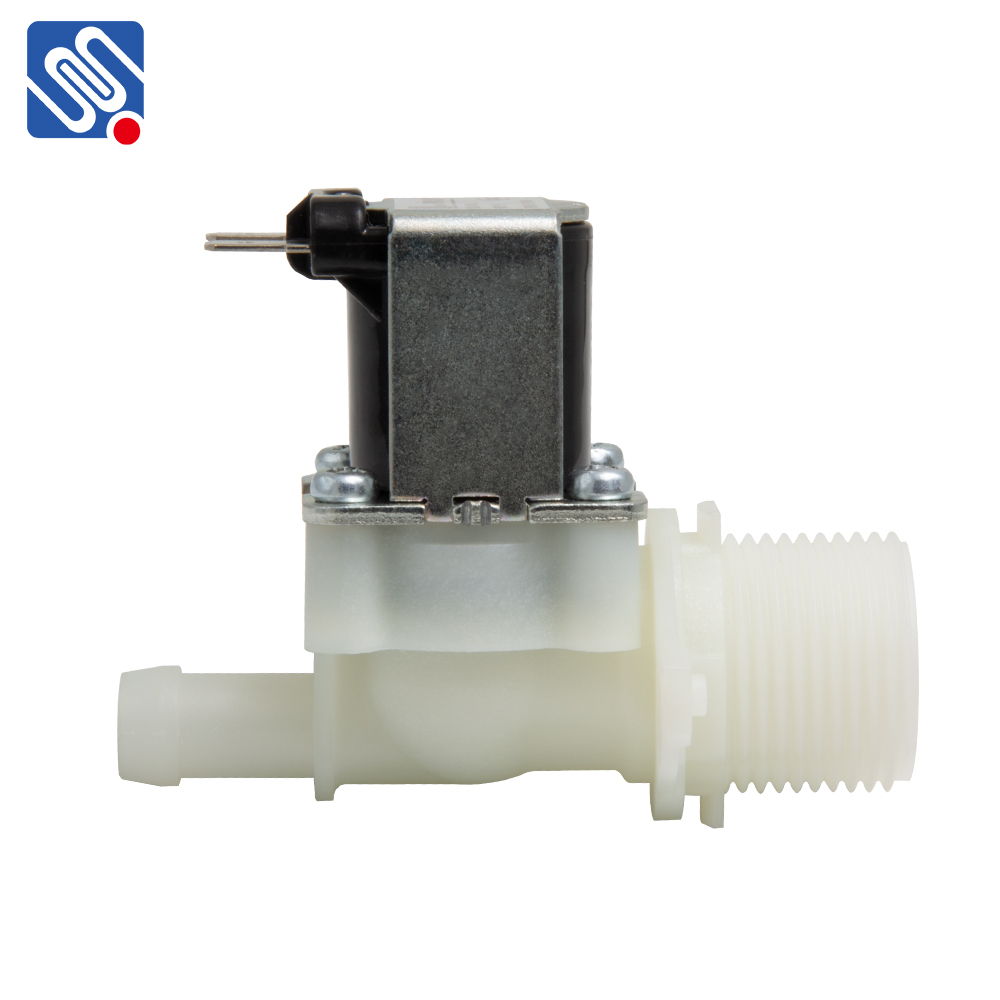
Functionality of Water Solenoid Valves At its core, a water solenoid valve consists of three main components: the valve body, an electromagnetic coil, and a movable plunger or diaphragm. When electrical current flows through the coil, it generates a magnetic field that actuates the plunger, altering the valve’s position. There are two primary types of operation for solenoid valves: normally closed (NC) and normally open (NO). In normally closed valves, the flow is blocked when there is no power, and the valve opens when electricity is supplied. Conversely, normally open valves allow flow when the system is powered and close when electricity is cut off. This design versatility enables users to select the appropriate type according to their system’s requirements.