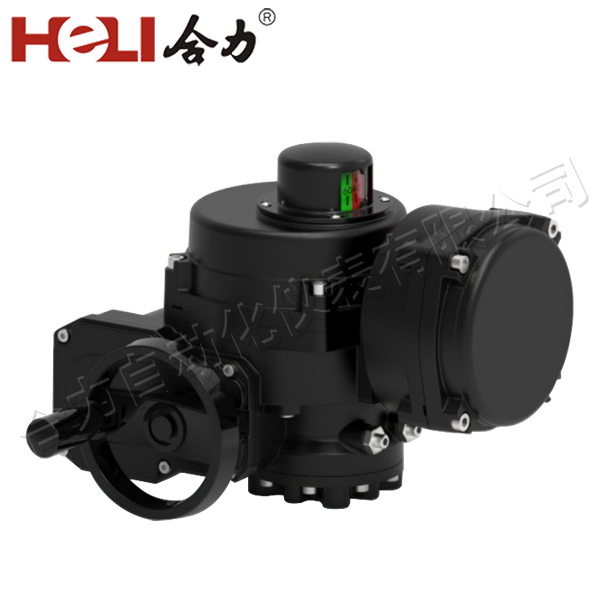
In recent years, hydrogen energy has emerged as a promising alternative to traditional energy sources, offering a cleaner and more sustainable solution to power various systems. Among the many innovative applications of hydrogen energy, hydrogen energy electric actuators stand out as a highly efficient and environmentally friendly technology. These actuators utilize hydrogen fuel cells to convert chemical energy into electrical energy, which is then used to drive mechanical movements in various systems. This article explores the workings, applications, and potential of hydrogen energy electric actuators, shedding light on their role in shaping a cleaner, more sustainable future.
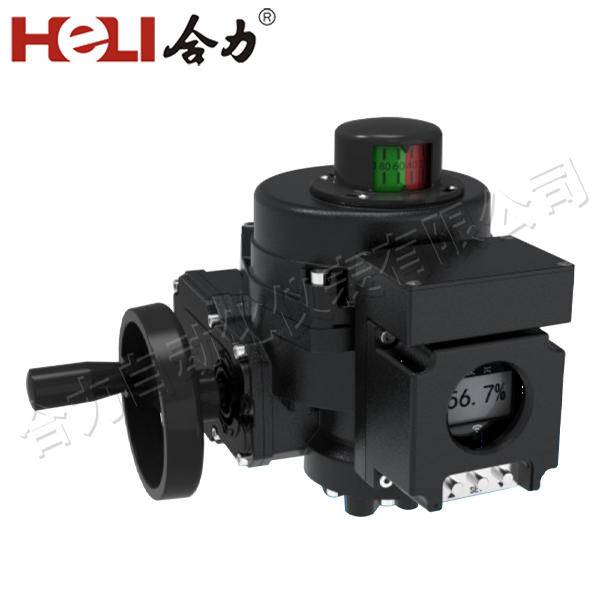
What is a Hydrogen Energy Electric Actuator?
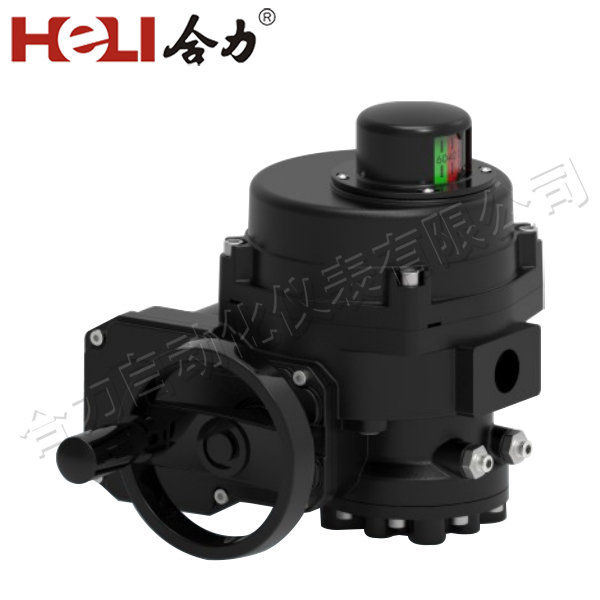
A hydrogen energy electric actuator is a device that converts hydrogen energy into mechanical motion. It combines two advanced technologies: hydrogen fuel cells and electric actuators. Hydrogen fuel cells generate electricity by combining hydrogen with oxygen in a chemical reaction, producing water as the only byproduct. This electricity then powers an electric actuator, which converts electrical energy into mechanical motion, such as linear or rotary movement. The use of hydrogen as a fuel source offers several advantages over conventional energy sources, particularly when it comes to reducing carbon emissions. The ability to generate clean electricity without harmful byproducts makes hydrogen energy electric actuators an attractive option for industries looking to reduce their environmental impact.