AC Solenoid Valves are essential components in many modern automation and fluid control systems, offering precise and efficient regulation of fluid or gas flow. These valves are powered by alternating current (AC) electricity, and their operation is based on the electromagnetic force generated when an electric current passes through a coil. This article delves into the working principle, benefits, and applications of AC Solenoid Valves in various industries.
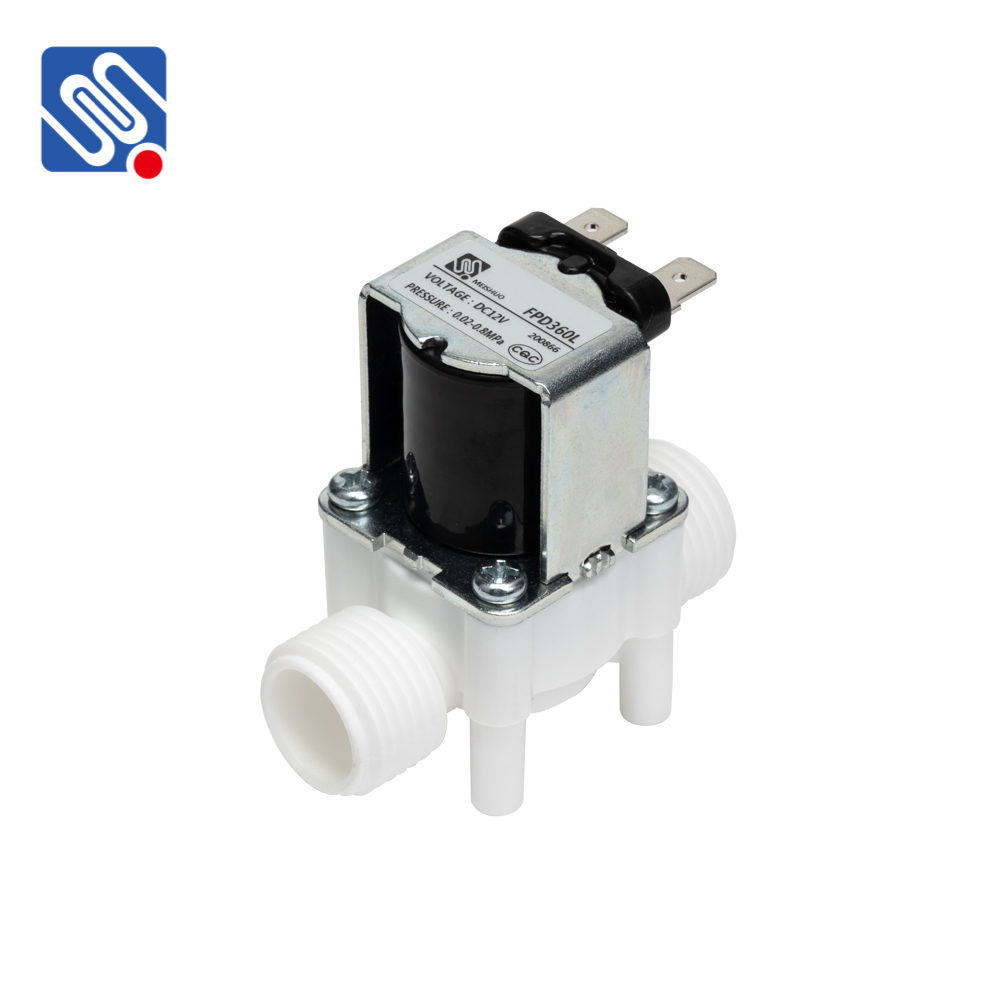
Understanding AC Solenoid Valves An AC Solenoid Valve is a device that controls the flow of fluids, such as gases, liquids, or steam, using an electromagnetic actuator. The key components of these valves are the solenoid coil, which is energized by an alternating current, and the valve body that houses the moving parts like the valve seat and plunger. The solenoid coil, when energized, creates a magnetic field that either opens or closes the valve, depending on the valve’s design. There are two common types of AC solenoid valves: Normally Open (NO) and Normally Closed (NC). A normally closed solenoid valve remains shut when there is no power applied, and it opens when the solenoid coil is energized. On the other hand, a normally open valve stays open when no power is applied and closes when the coil is energized.