The Stainless Steel Electric Two-Seat Regulating Valve is an essential device used in various industries for fluid flow regulation. Whether in chemical processing, HVAC systems, or water treatment facilities, these valves offer precise control over fluid flow and pressure, making them integral to optimizing performance in many applications. This article explores the functionality, components, and benefits of the Stainless Steel Electric Two-Seat Regulating Valve, shedding light on why it is a preferred choice for engineers and operators.
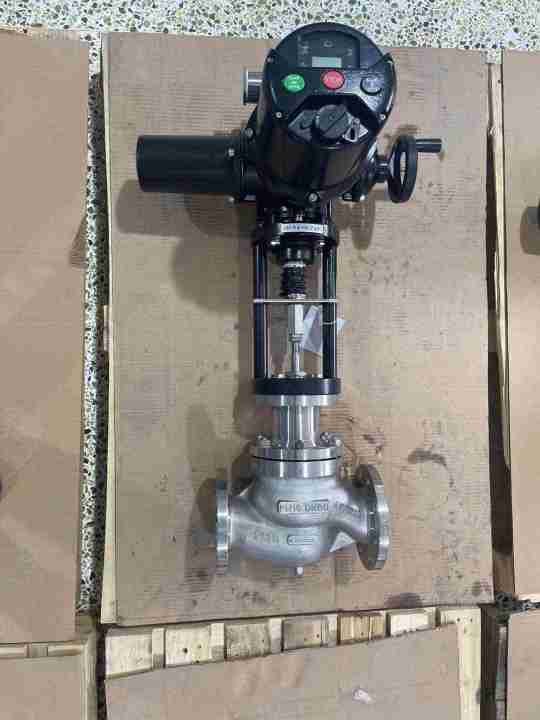
Understanding the Design and Components A stainless steel electric two-seat regulating valve is designed to control the flow of fluids such as water, steam, or chemicals through a pipeline. The valve’s body is constructed from high-quality stainless steel, which provides excellent durability and corrosion resistance, essential in environments where the valve may be exposed to harsh chemicals or high-pressure conditions. The “two-seat” design refers to the presence of two sealing surfaces within the valve, enhancing its sealing ability and ensuring minimal leakage. This design is especially beneficial in applications requiring a high degree of accuracy in flow control. The electric actuator, which powers the valve, allows for precise, continuous adjustments, enabling seamless integration with automated control systems.