Relays are essential components in electrical and electronic systems, commonly used for switching circuits on and off without direct human intervention. Understanding relay characteristics is crucial for selecting the right relay for a particular application. Relay characteristics encompass both electrical and mechanical features that determine the efficiency, reliability, and performance of the device. In this article, we will explore the key aspects of relay characteristics, such as switching capabilities, electrical performance, mechanical lifespan, and environmental conditions.
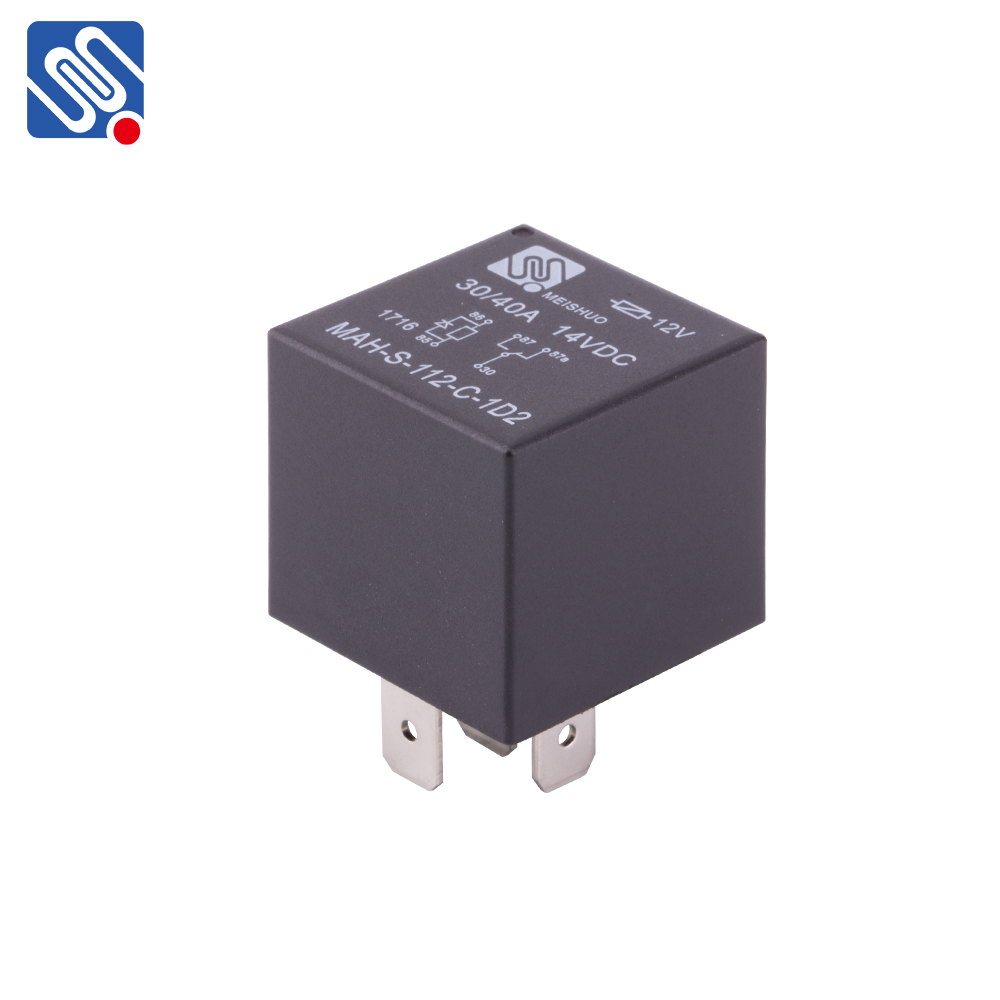
1. Switching Characteristics The switching characteristics of a relay refer to how it responds when an electrical signal is applied to the coil, causing the contacts to change their state. This is one of the most critical characteristics in determining a relay’s performance: Rated Voltage and Current: Relays are designed with specified rated voltage and current values that define the maximum operating limits. These ratings help ensure that the relay operates reliably within a safe range and does not get damaged due to excessive voltage or current. Switching Time: Switching time, or the time it takes for a relay’s contacts to change from one state to another, is another vital characteristic. This includes both the pull-in time (the time taken for the relay to energize and close its contacts) and the release time (the time taken for the contacts to open after de-energizing the coil). For most applications, faster switching times are preferred, particularly in time-sensitive systems.