The starter motor relay plays a critical role in the smooth functioning of a vehicle’s starting system. It serves as a switch, allowing electrical current to flow to the starter motor when needed, ensuring that the engine starts without complications. This small yet essential component is crucial for maintaining the reliability and efficiency of your car’s electrical system. In this article, we will explore the purpose, functioning, and common issues related to the starter motor relay, highlighting its importance in the automotive industry.
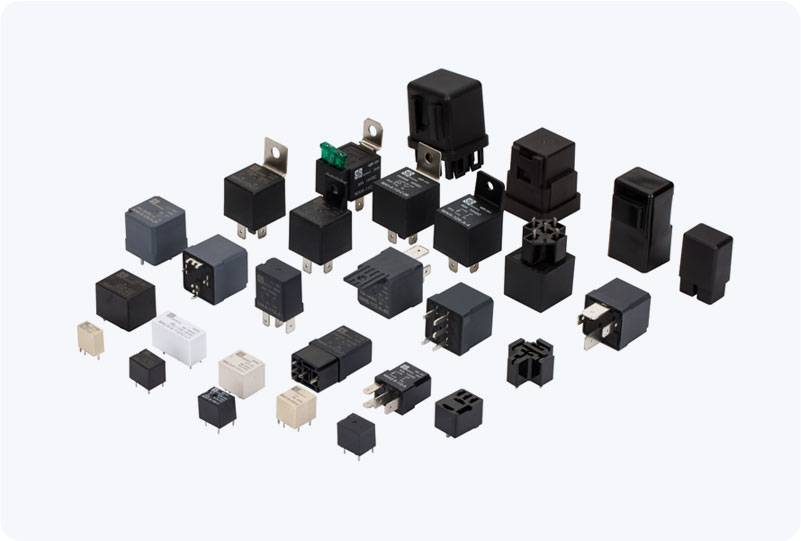
What is a Starter Motor Relay? A starter motor relay is an electrically operated switch that helps start the engine by delivering the required power to the starter motor. It connects the vehicle’s battery to the starter motor and ensures that enough current flows through the circuit when the ignition key is turned. By doing so, it allows the starter motor to engage and begin turning the engine, ultimately starting the vehicle. Purpose and Function of the Starter Motor Relay The starter motor relay serves two primary purposes in the starting system: Current Control: The main function of the relay is to control the high-current flow to the starter motor. When the ignition key is turned, a small current is sent to the relay’s coil, which activates the relay and allows a larger current to flow from the battery to the starter motor. This ensures the starter motor has enough power to turn the engine over.