Filtration systems are essential in a variety of industries for ensuring that liquids and gases remain free from contaminants, thus maintaining the purity and quality of the end product. One of the critical components in these systems is the Filtration System Solenoid Valve. This article delves into the function, application, and benefits of solenoid valves in filtration systems, highlighting their importance in fluid control and system efficiency.
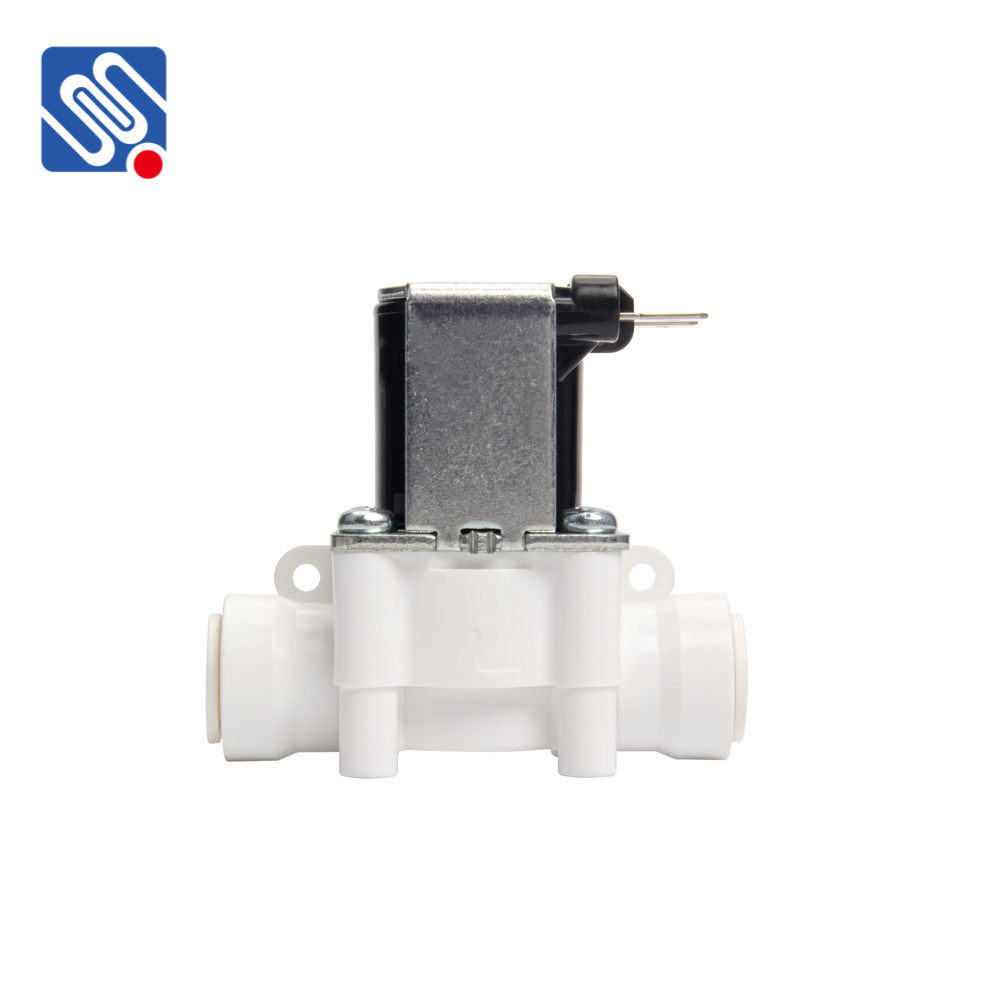
What is a Filtration System Solenoid Valve? A Filtration System Solenoid Valve is an electromechanical device that controls the flow of fluid or gas through a filtration system. Unlike manual valves, which require human intervention, solenoid valves operate automatically based on an electrical signal. These valves consist of a solenoid coil that generates a magnetic field when energized. This magnetic field activates a plunger or armature, which opens or closes the valve, regulating the flow of fluid or gas through the system. The key advantage of solenoid valves lies in their ability to provide quick, precise, and reliable control of fluid movement. In filtration systems, this capability is vital for various functions, including filtering, backwashing, and draining, ensuring that the filtration process remains uninterrupted and efficient.