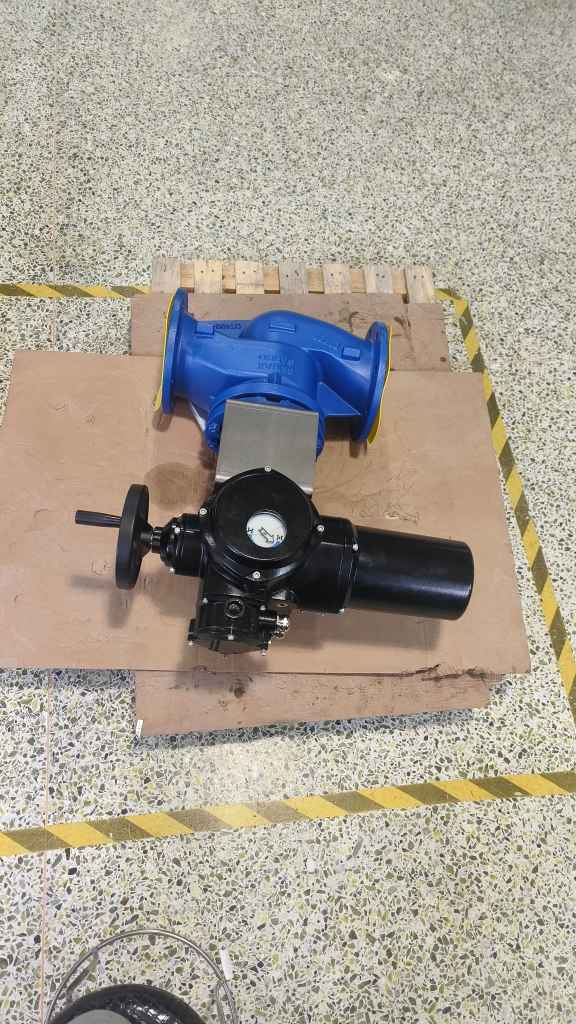
In recent years, the demand for efficient energy storage solutions has surged, fueled by the rapid growth of electric vehicles (EVs), renewable energy sources, and portable electronic devices. Lithium-ion batteries have emerged as the preferred choice for many applications due to their high energy density, lightweight nature, and long cycle life. As the popularity of these batteries continues to escalate, ensuring their safety and reliability is paramount. One crucial component that plays a significant role in enhancing the safety of lithium battery systems is the lithium battery electric shut-off valve.
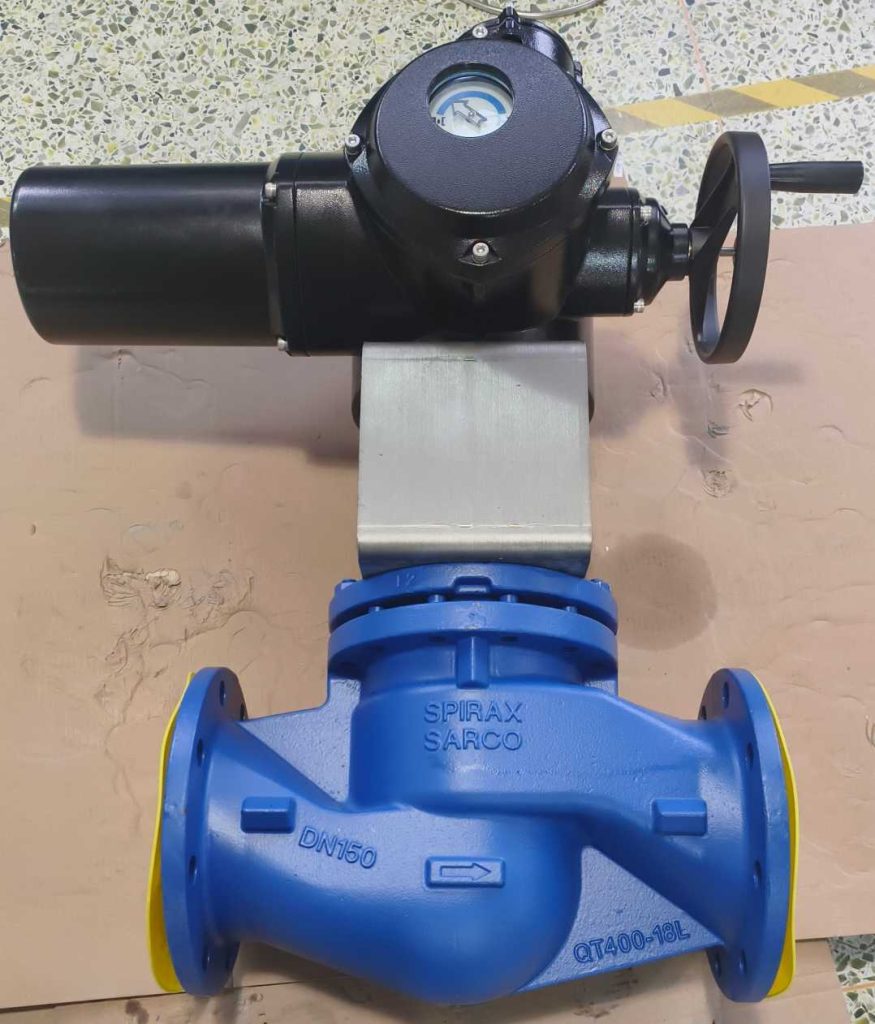
Understanding the Function of the Shut-Off Valve
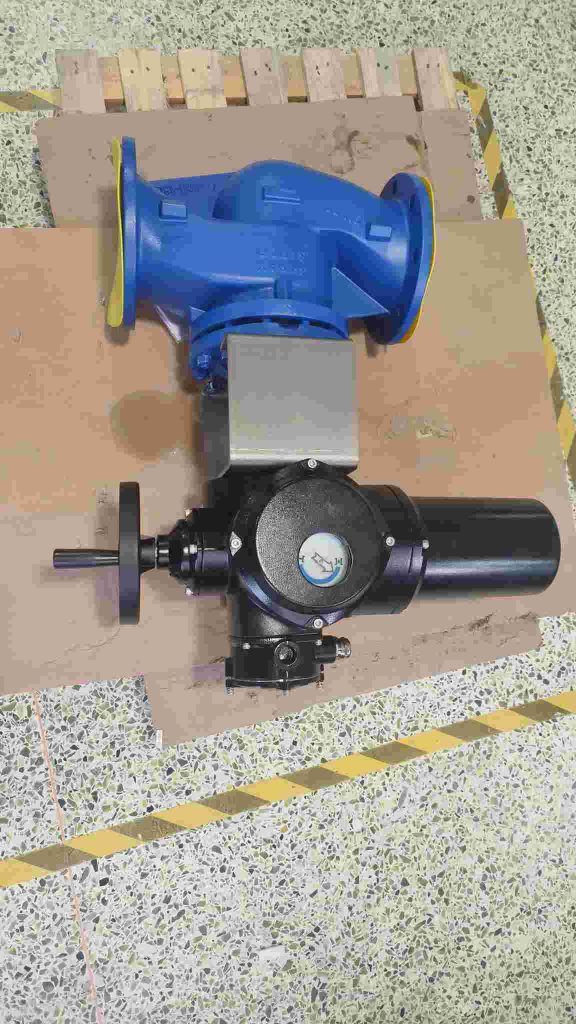
A lithium battery electric shut-off valve serves as a protective measure, preventing the flow of electrolyte within a battery under certain conditions. The valve is designed to automatically close in the event of abnormalities, such as over-pressure, overheating, or leakage, thus protecting the battery from potential hazards like thermal runaway or fires. When the valve is engaged, it effectively isolates the affected cells from the rest of the battery system, mitigating the risk of a complete failure or catastrophic event. Importance of Safety in Lithium Battery Systems Lithium-ion batteries, while highly efficient, pose inherent risks if proper safety mechanisms are not in place. Incidents involving battery failures can lead to severe consequences, including property damage and loss of life. The application of an electric shut-off valve is particularly significant in high-capacity lithium battery banks used in applications such as electric vehicles and grid energy storage. In these environments, the consequences of a battery failure can be catastrophic, making the presence of safety features vital.