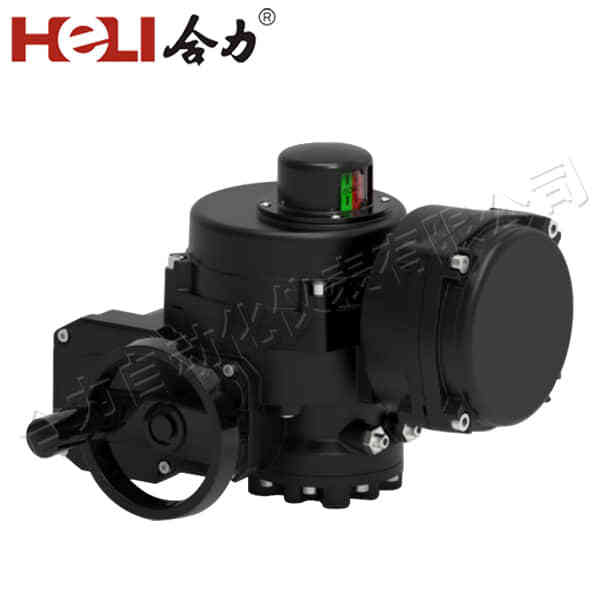
Electric actuators play a vital role in various industries and applications, serving as the backbone for automation and control systems. These devices convert electrical energy into mechanical motion, allowing for precise control of machinery and processes. In this article, we will explore the fundamental principles, types, advantages, and applications of electric actuators, highlighting their importance in modern engineering.
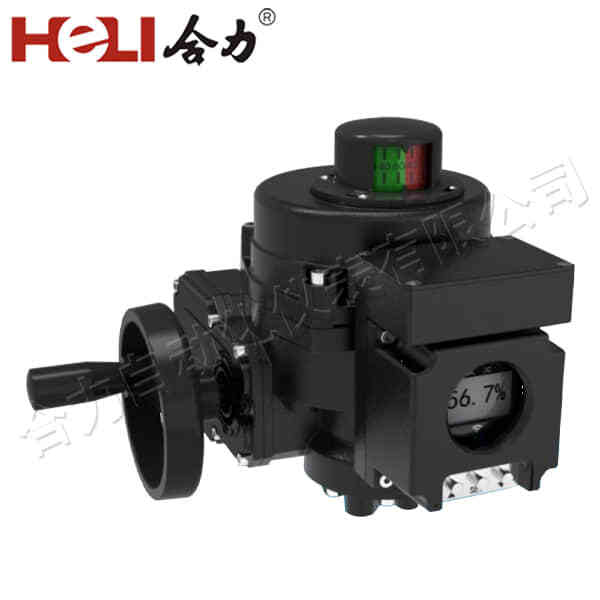
What is an Electric Actuator?
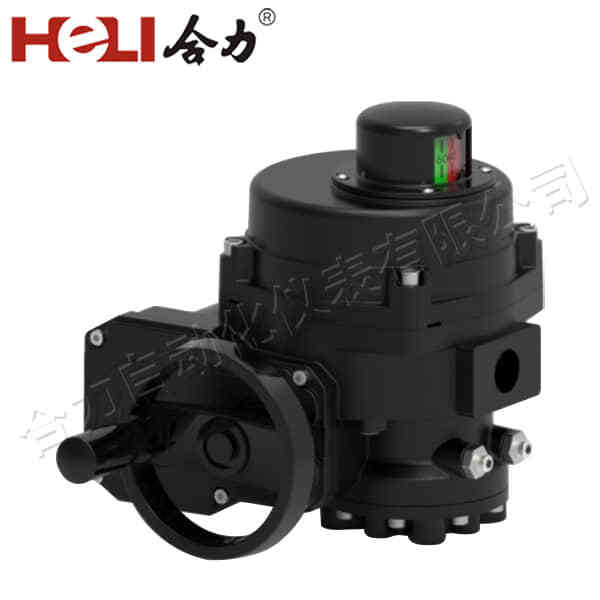
An electric actuator is a device that converts electrical energy into mechanical energy, enabling movement or control of a system. This movement can be linear, rotary, or a combination of both, depending on the application. Electric actuators are commonly used to automate processes, control valves, move robotic arms, or adjust various equipment settings. They are preferred over traditional pneumatic or hydraulic actuators in many cases due to their precision, energy efficiency, and reduced maintenance requirements. Types of Electric Actuators Electric actuators can be classified into several types based on their design and functionality: