A Normally Closed Solenoid Valve (NC Solenoid Valve) is a critical component in many fluid and gas control systems. Its simple yet effective design makes it an essential part of various industries, including water treatment, HVAC (Heating, Ventilation, and Air Conditioning), automotive, and manufacturing. This article will delve into the function, applications, and benefits of the Normally Closed Solenoid Valve, providing a comprehensive understanding of why it is so widely used in automation and control systems.
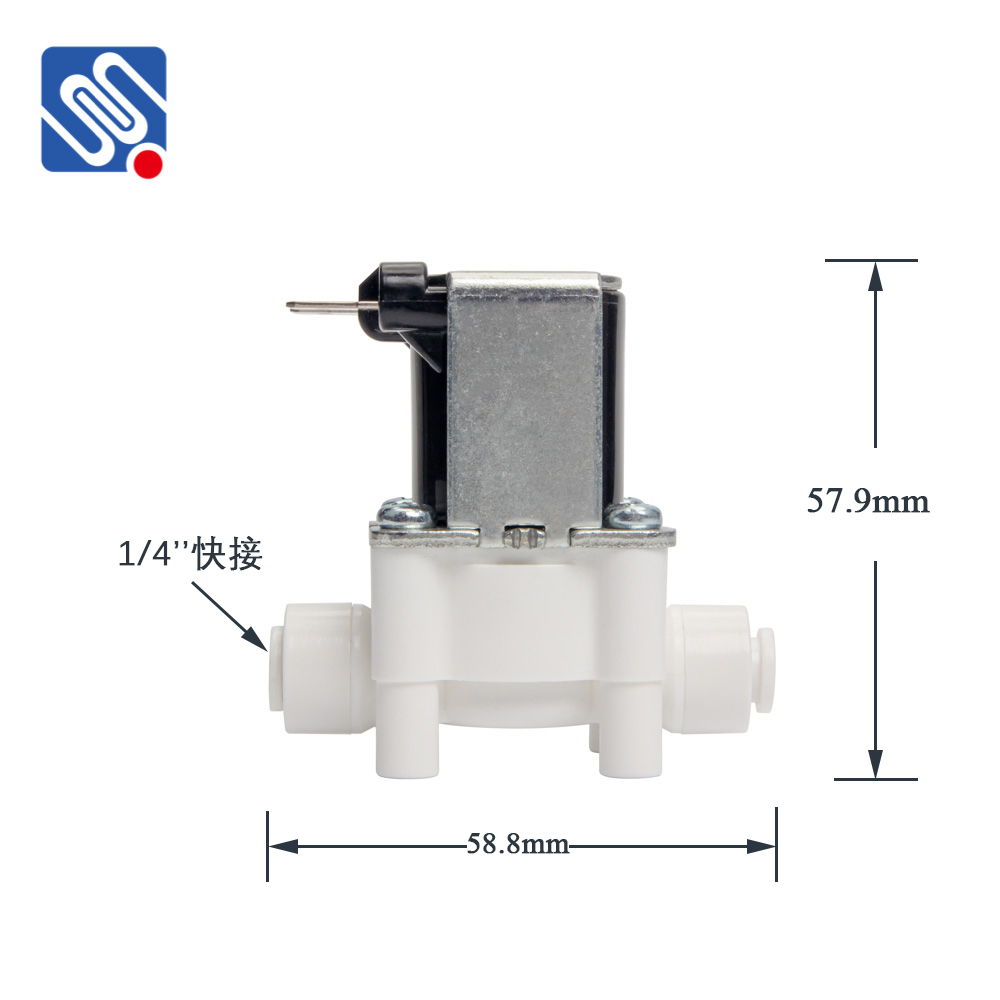
What is a Normally Closed Solenoid Valve? A Normally Closed Solenoid Valve is a type of valve that remains in the closed position when the solenoid (electromagnetic coil) is not energized. In other words, the default state of the valve is to block the flow of fluid or gas. When electrical current is supplied to the solenoid, it activates the valve, opening the flow path and allowing the fluid or gas to pass through. Once the electrical current is turned off, the valve returns to its closed position, stopping the flow. This design ensures that in the absence of an external signal, the system remains in a safe, shut-off state, preventing accidental leakage or flow. The mechanism behind the operation of NC solenoid valves is often based on the movement of a plunger or diaphragm that is influenced by the magnetic field generated by the solenoid.