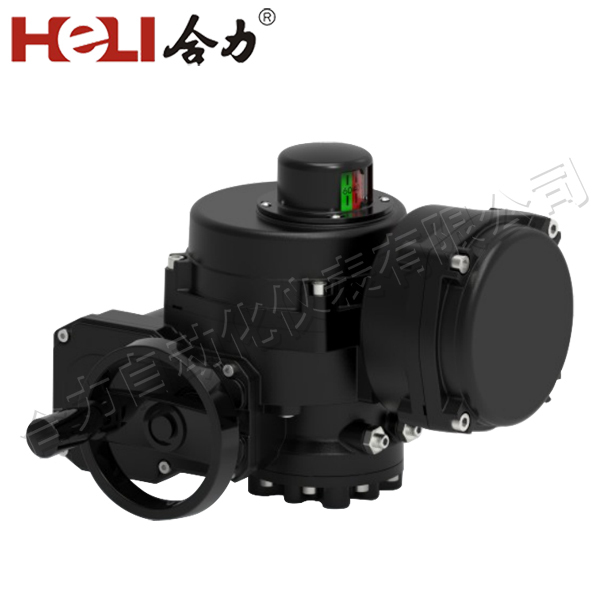
The quest for sustainable energy solutions has driven significant advancements in various technologies, with hydrogen energy being one of the most promising alternatives to fossil fuels. Among the innovative applications of hydrogen energy, the hydrogen energy electric actuator stands out as a key component in revolutionizing actuation systems. By integrating hydrogen fuel cells with electric actuators, these systems offer a cleaner, more efficient, and reliable solution to industries and sectors that require precise mechanical movement and long-lasting power. This article delves into the concept of hydrogen energy electric actuators, exploring their working principles, advantages, and potential applications.
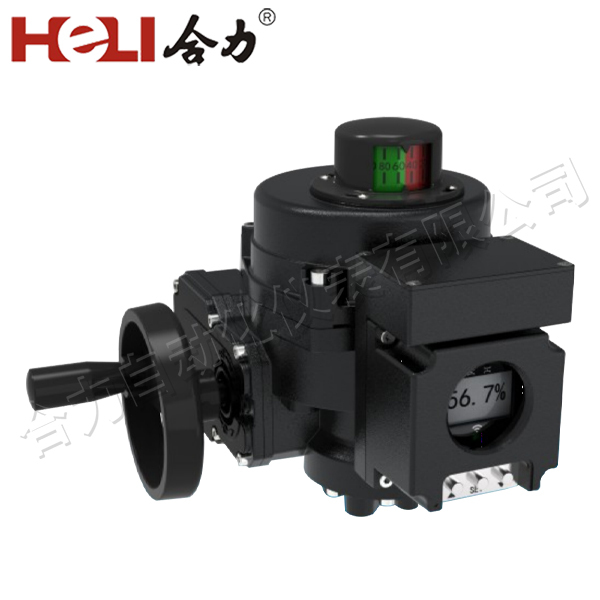
Understanding Hydrogen Energy Electric Actuators
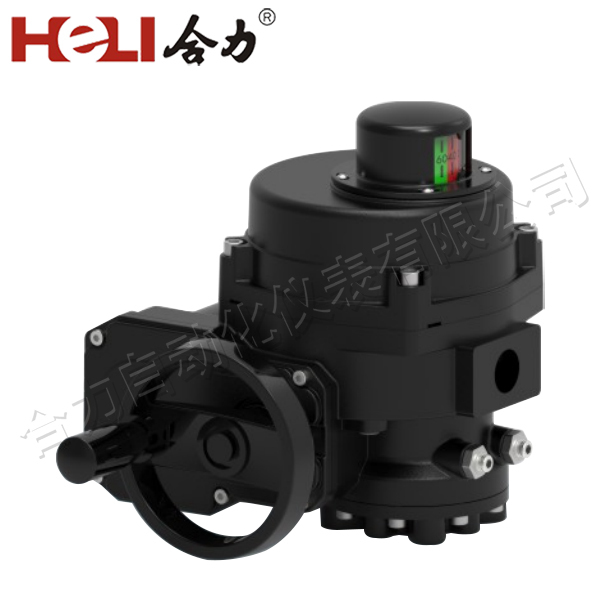
A hydrogen energy electric actuator is a system that uses hydrogen as a power source to drive an electric actuator. The primary component in such systems is the hydrogen fuel cell, which generates electricity by combining hydrogen with oxygen through an electrochemical process. This process produces electricity, water vapor, and heat, with no harmful emissions or byproducts. The electricity generated by the fuel cell is then used to power the electric actuator, which converts electrical energy into mechanical motion. This motion can be used to perform a wide range of functions, such as opening valves, adjusting mechanical components, or driving motors.