The Water Treatment System Solenoid Valve plays a critical role in modern water treatment applications, offering a reliable, automated means of controlling water flow. Whether it’s used in filtration, softening, or chemical dosing systems, solenoid valves are integral to optimizing water processing, ensuring safety, and increasing energy efficiency. This article explores the design, working principle, types, applications, and benefits of solenoid valves in water treatment systems.
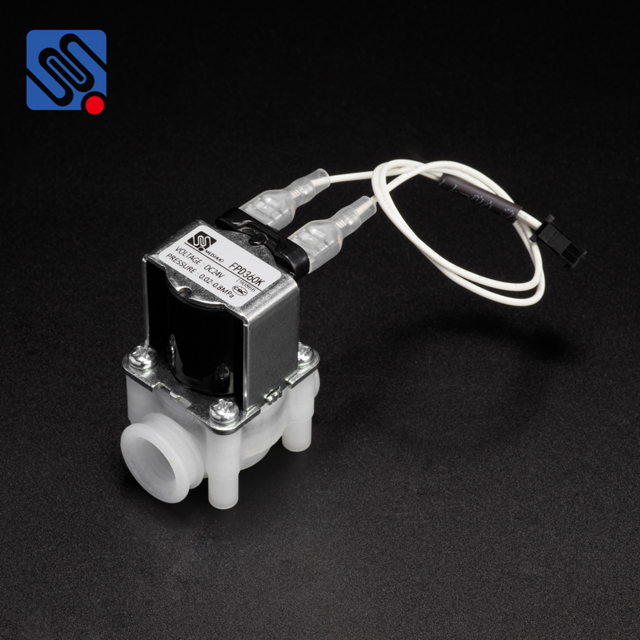
Introduction to Solenoid Valves A solenoid valve is an electromechanically operated valve that controls the flow of liquid or gas through a pipe. It consists of a coil of wire (solenoid) that, when energized, creates a magnetic field which moves a plunger or piston, thereby opening or closing the valve. In water treatment systems, these valves are used for controlling water flow, regulating pressure, and managing chemical additives, making them an essential component in a variety of water treatment processes. How Water Treatment System Solenoid Valves Work The basic principle behind solenoid valves is straightforward. When an electrical current flows through the solenoid coil, it generates a magnetic field that pulls or pushes a movable part inside the valve, typically a plunger. This movement either opens or closes the valve, controlling the flow of water. When the current is turned off, the magnetic field dissipates, and a spring or gravity returns the valve to its original position, stopping or allowing water flow accordingly.