A Low Flow Solenoid Valve is an essential component in various industrial, scientific, and medical applications where precise fluid control is required. Unlike conventional solenoid valves, which are designed for high-flow operations, low-flow solenoid valves are specially designed to manage the flow of small amounts of liquids or gases. Their precision and reliability make them an indispensable part of systems that demand fine-tuned regulation of fluid dynamics.
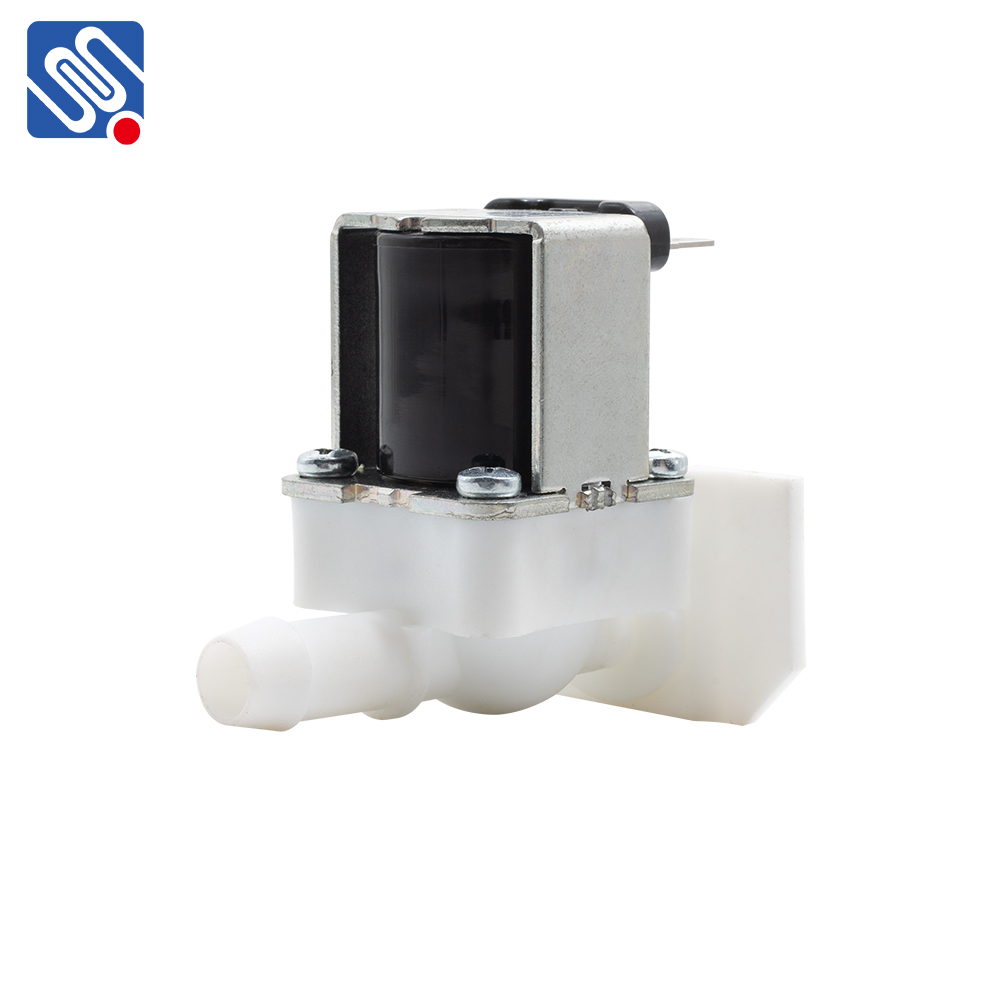
What is a Low Flow Solenoid Valve? A solenoid valve, in general, is an electromechanical valve that controls the flow of fluids or gases. It operates by using an electric current to generate a magnetic field that moves a solenoid plunger, either opening or closing the valve. In the case of a low flow solenoid valve, the design is tailored to handle low-flow conditions, typically ranging from a few milliliters per minute to several liters per hour, depending on the application. Features of Low Flow Solenoid Valves Precision Control: The primary feature that distinguishes low-flow solenoid valves from regular solenoid valves is their ability to handle small, accurate amounts of fluid. This level of precision is crucial in systems where even slight variations in flow can lead to significant changes in performance.