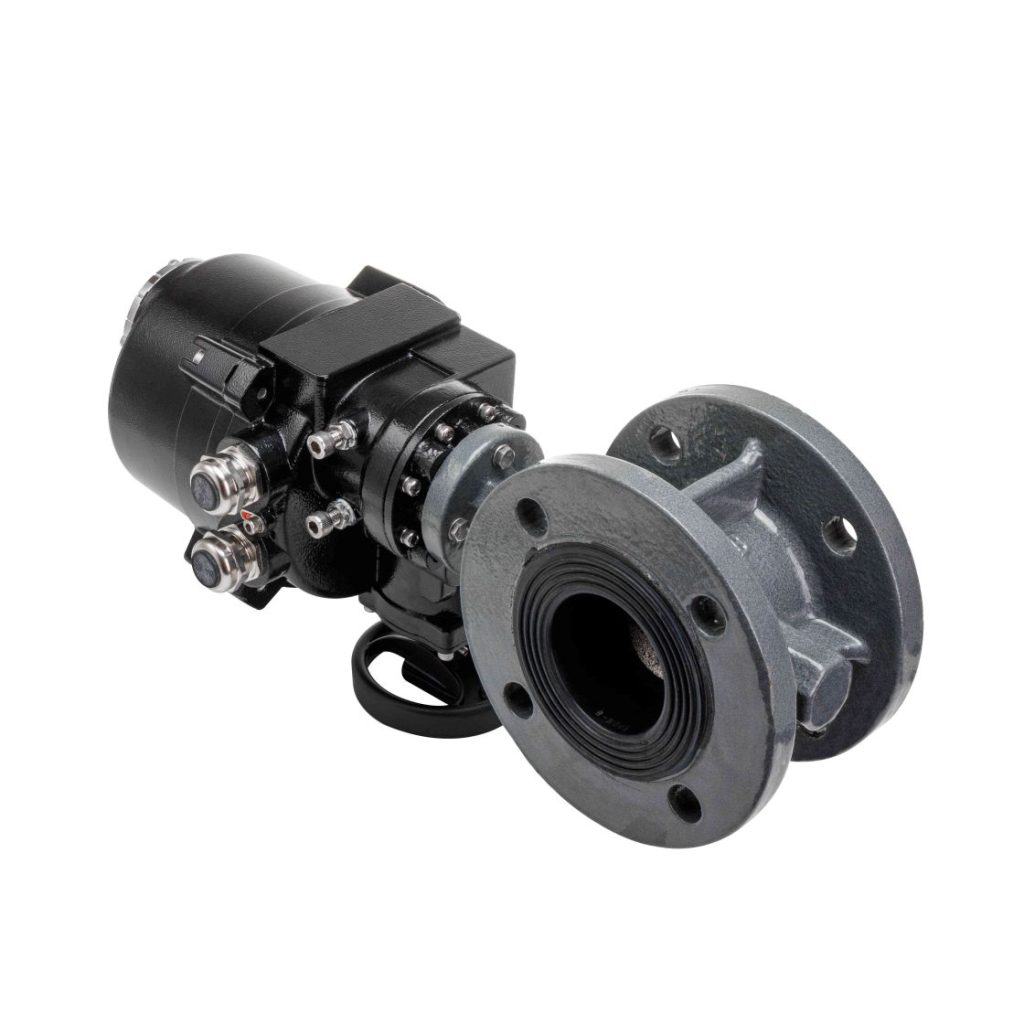
Marine electric ball valves are essential components in marine engineering, designed to control the flow of liquids and gases within various systems aboard ships and offshore installations. These valves offer numerous advantages over traditional manual valves, particularly in terms of efficiency, reliability, and ease of operation. In this article, we will delve into the key features, benefits, applications, and maintenance considerations of marine electric ball valves.
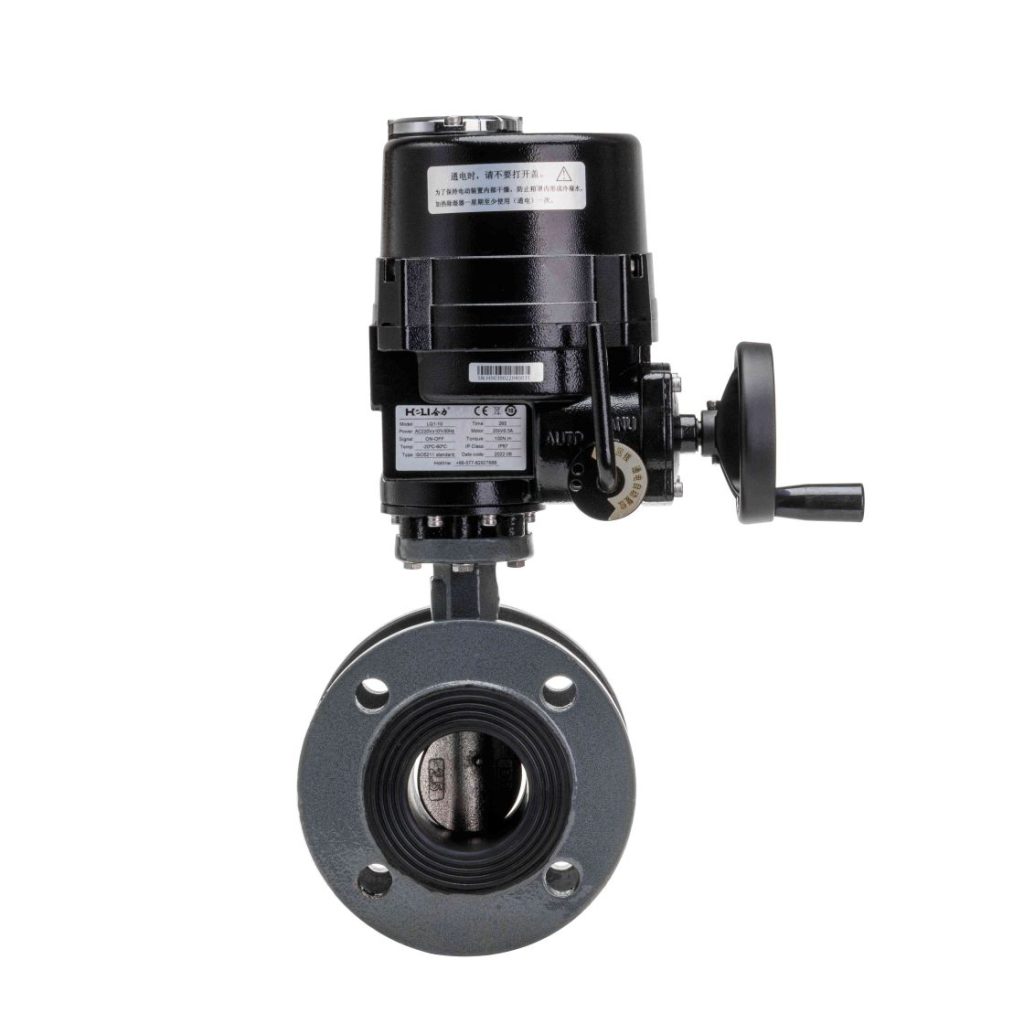
Key Features
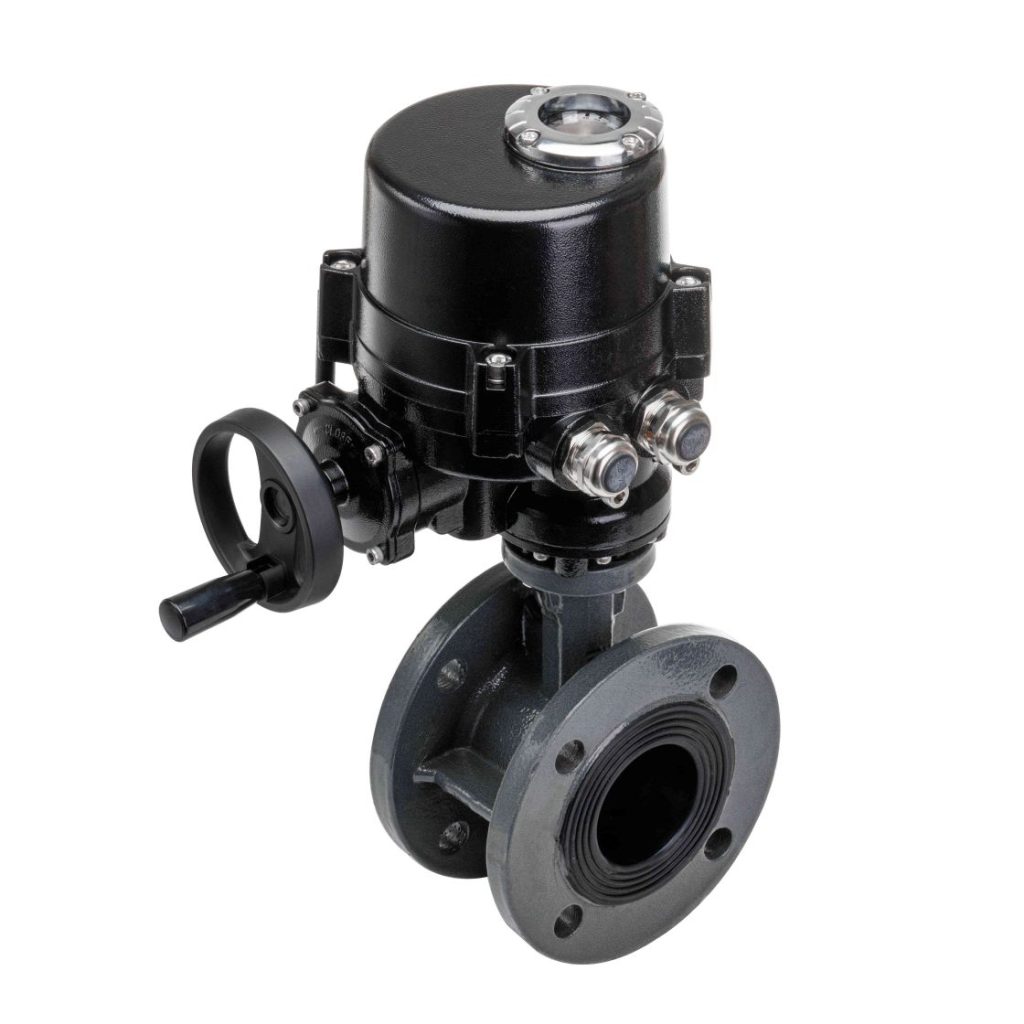
Marine electric ball valves consist of a spherical disc, known as a ball, that has a hole through the center. When the valve is open, the hole aligns with the pipeline, allowing fluid to pass through. When closed, the ball rotates to block the flow. The electric actuator attached to the valve provides the ultimate control, allowing for precise operation from a distance. Most marine electric ball valves are constructed from high-grade materials, such as stainless steel or special alloys, which resist corrosion from seawater and ensure longevity in harsh marine environments. Advantages One of the primary benefits of marine electric ball valves is their ability to be operated remotely, significantly improving operational efficiency and safety. Operators can monitor and control multiple valves from a central location, reducing the need for personnel to be in potentially hazardous areas. Additionally, these valves can be integrated into automated systems, allowing for real-time adjustments based on changing operational conditions. The quick opening and closing capabilities of ball valves also contribute to their popularity, minimizing the time taken to manage fluid flow.