In industrial environments where pneumatic systems are heavily utilized, safety measures are paramount. One of the essential safety protocols involves the use of Pneumatic Lockouts. These lockout devices are crucial in preventing accidental energization or release of pressure during maintenance procedures, thereby safeguarding workers from potential hazards. This article explores the importance, functionality, applications, and best practices associated with Pneumatic Lockouts in various industrial settings.
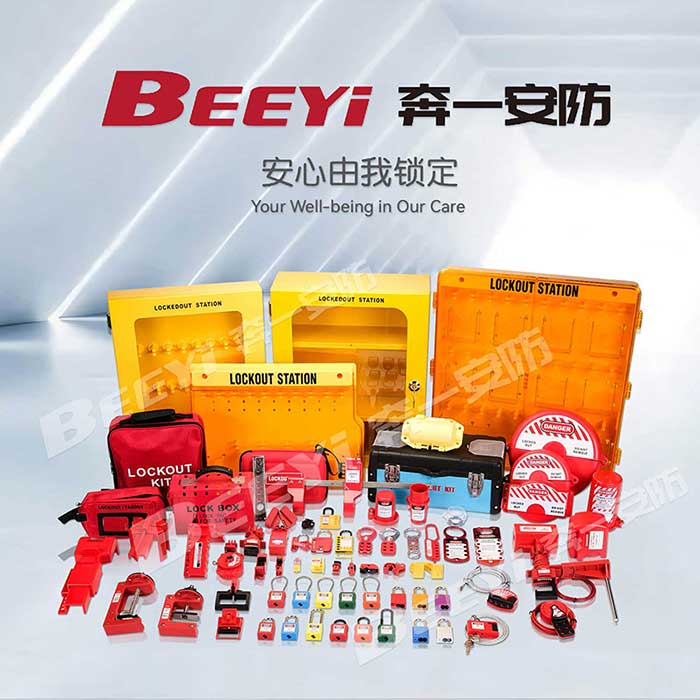
What Are Pneumatic Lockouts? Pneumatic Lockouts are specialized devices designed to secure pneumatic energy sources by preventing the accidental release or application of compressed air. These devices are a part of the Lockout/Tagout (LOTO) safety procedure, which aims to protect employees from hazardous energy while they perform maintenance or repairs. Implementing Pneumatic Lockouts effectively minimizes the risk of injuries, accidents, and even fatalities associated with unexpected machine start-ups or pressure releases. Importance of Pneumatic Lockouts The significance of Pneumatic Lockouts cannot be overstated. Accidents resulting from the unintended activation of pneumatic tools or machinery can lead to serious injuries, including fractures, lacerations, and other life-threatening conditions. According to the Occupational Safety and Health Administration (OSHA), improper energy control was a leading cause of workplace injuries. By utilizing Pneumatic Lockouts, companies demonstrate their commitment to employee safety and compliance with legal regulations, thus fostering a safer work environment.