Plastic valves have become a common component in modern water systems, finding extensive use in various applications, from residential plumbing to large-scale industrial water management. These valves are designed to control the flow and pressure of water in pipes, ensuring that water systems run efficiently and reliably. Made from durable plastic materials, these valves offer numerous advantages over traditional metal valves, including resistance to corrosion, lightweight construction, and cost-effectiveness. In this article, we will explore the different types of plastic valves, their advantages and disadvantages, and their common applications in water systems.
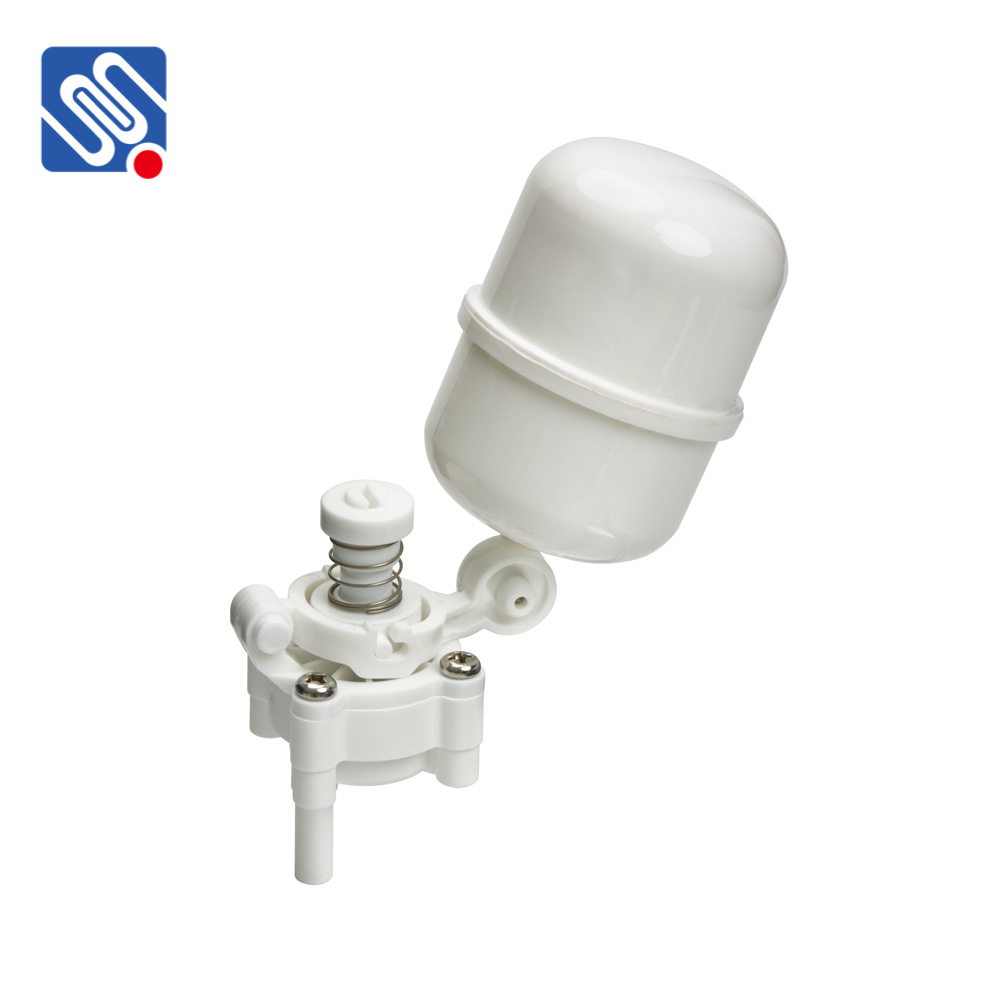
Types of Plastic Valves Plastic valves come in a wide range of types, each designed for specific applications and functions. Some of the most common types include: Ball Valves Ball valves are widely used in water systems due to their simplicity and reliable sealing capabilities. The valve consists of a ball with a hole in it that rotates to control the flow of water. When the ball is aligned with the pipe, water flows through it, and when rotated perpendicular to the pipe, the valve is closed. These valves are ideal for applications requiring frequent opening and closing, and their robust construction ensures a leak-proof seal.