In today’s fast-paced world, technological advancements are transforming the way we control and interact with various devices, particularly through automation and remote access. One of the most significant innovations in this area is the Remote Control Relay. This device has revolutionized various industries by providing a reliable and efficient way to control electrical circuits remotely. From home automation systems to industrial control, the remote control relay is steadily becoming a staple in modern technology. This article explores what a remote control relay is, how it works, its applications, and the future potential it holds.
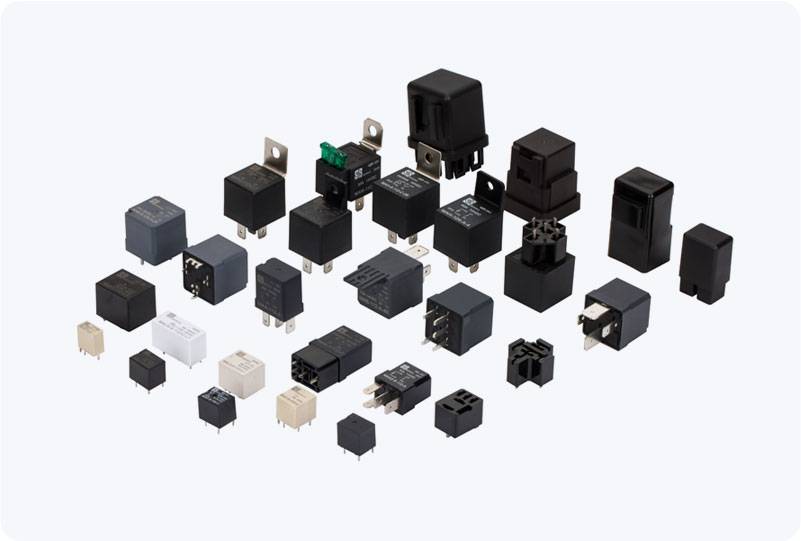
What is a Remote Control Relay? A Remote Control Relay (RCR) is a device that allows the control of electrical circuits via a remote signal, typically transmitted through wireless methods such as infrared (IR), radio frequency (RF), or Wi-Fi. It is designed to switch the state of a connected load—usually from an open (off) to a closed (on) state, or vice versa—based on a signal received from a remote control source. Essentially, it allows users to control devices without needing to physically interact with the circuit or device. The core function of a remote control relay is based on the concept of a relay, which is an electrically operated switch. The relay consists of a coil that, when energized, attracts a movable armature that changes the position of contacts. The relay’s function is triggered by an electrical current, but in a remote control relay system, this trigger comes from a remote signal rather than a direct physical action.