Safety is a top priority in industrial facilities, especially in high-risk environments like chemical plants, power stations, and oil refineries. Among the various safety measures, the Safety Valve Lock application stands out as a critical component in preventing accidents during maintenance and repair processes. By locking safety valves in a closed position, it ensures that hazardous pressures or chemicals cannot be released unexpectedly, safeguarding both workers and the equipment. This article explores the application of safety valve locks, their importance, and how they help improve overall safety and compliance in industrial settings.
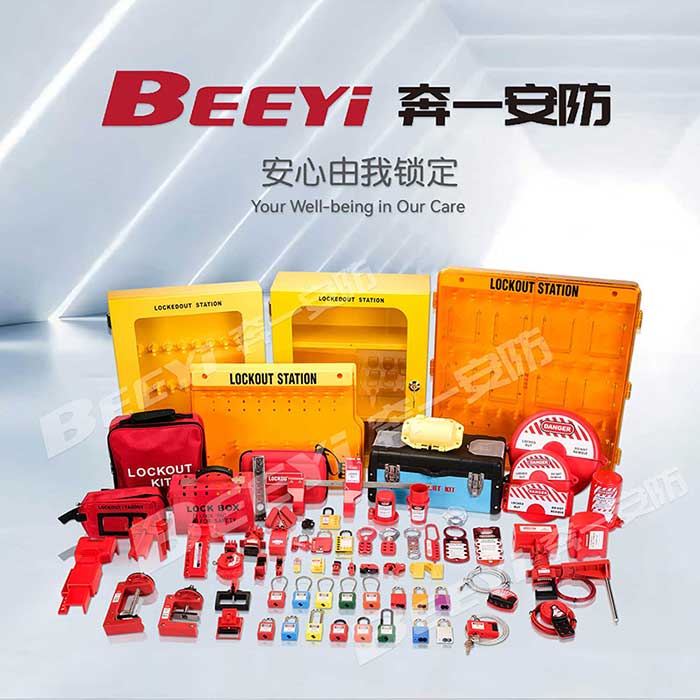
Understanding Safety Valve Locks A safety valve lock is a mechanical device used to secure the valve handle of safety valves, preventing unauthorized or accidental activation. These valves are designed to release pressure or control the flow of potentially dangerous substances such as gas, steam, or chemicals. In situations where maintenance or inspections are taking place, these valves need to be locked in a closed position to avoid accidental activation that could lead to catastrophic outcomes. Safety valve locks are especially useful when combined with lockout/tagout (LOTO) procedures, which are widely adopted in industries where hazardous energy control is a critical component of worker safety. The LOTO standard mandates that dangerous machines or equipment be turned off and properly isolated during servicing. Safety valve locks are an essential tool to ensure that pressure-relieving valves do not accidentally open during maintenance, which could lead to sudden pressure release, chemical leaks, or explosions.