Leakage Current Relays (LCR) are vital components in modern electrical systems, designed to detect and protect against potentially hazardous leakage currents that could lead to electrical shock, fire, or damage to electrical equipment. They are commonly used in both residential and industrial settings to ensure the safety and reliability of electrical systems. This article will explore the functionality, importance, and applications of Leakage Current Relays, as well as how they contribute to maintaining electrical safety standards.
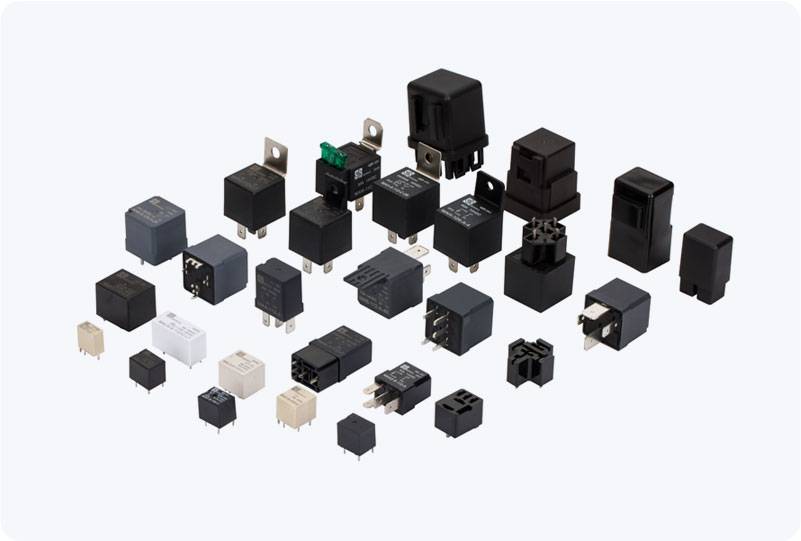
What is a Leakage Current Relay? A Leakage Current Relay is a protective device that continuously monitors the current flowing through an electrical circuit to detect any abnormal leakage. Leakage currents can occur when electricity flows through unintended paths, such as through a faulty insulation or a damaged electrical appliance. These small but dangerous currents can lead to electric shocks, fires, or even equipment failures if left unchecked. The LCR works by measuring the current that flows through the neutral and live conductors of a circuit. When an imbalance is detected—indicating a leakage current—an alarm is triggered or the circuit is automatically disconnected to prevent further damage or hazard.