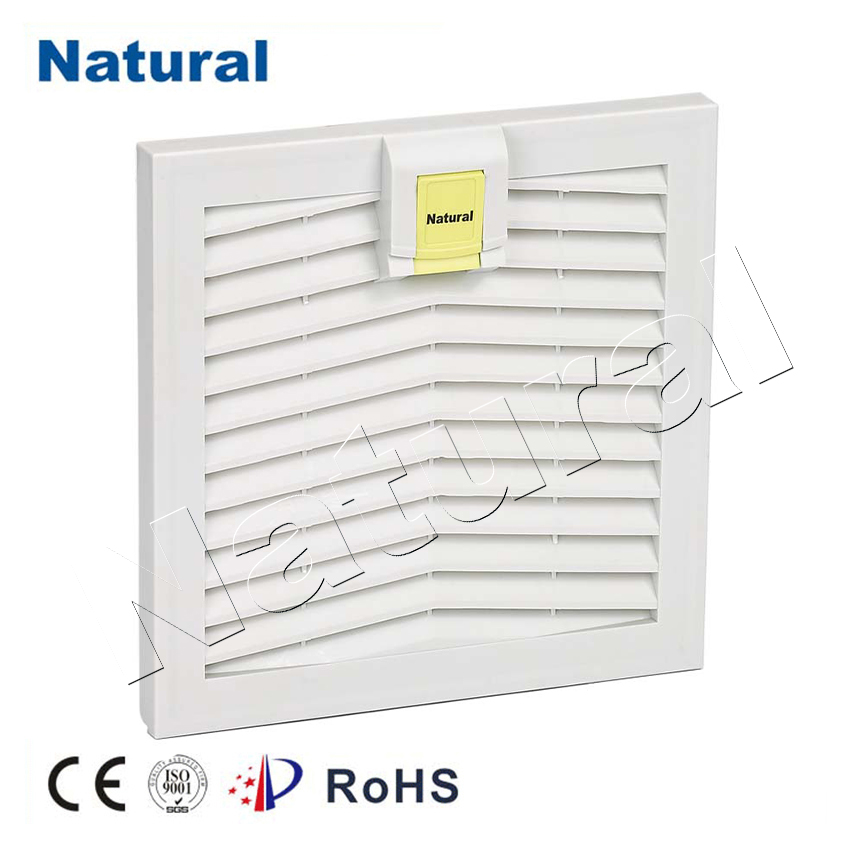
In modern technology, dust and debris are some of the most insidious enemies of electronic equipment. Whether in computers, air conditioning systems, or industrial machinery, dust accumulation can lead to overheating, reduced performance, and even long-term damage to vital components. To combat this issue, the use of fan filters has become an essential part of maintaining optimal performance and extending the lifespan of these systems. In this article, we will explore the significance of fan filters, their applications, and how they contribute to maintaining clean and efficient operations in various environments.
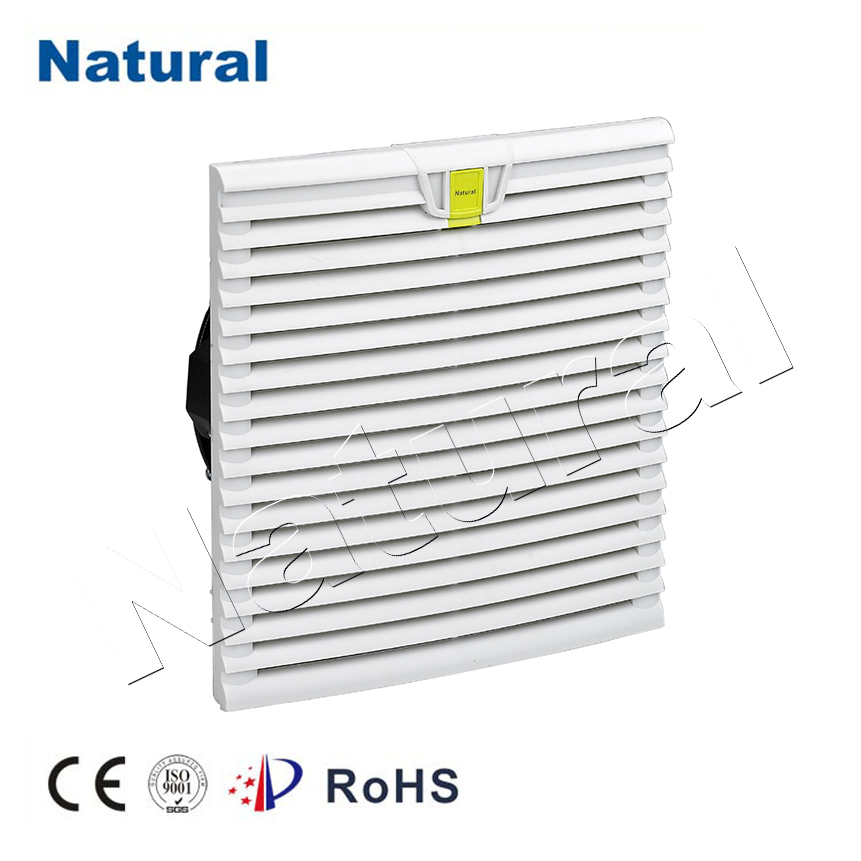
What is a Fan Filter?
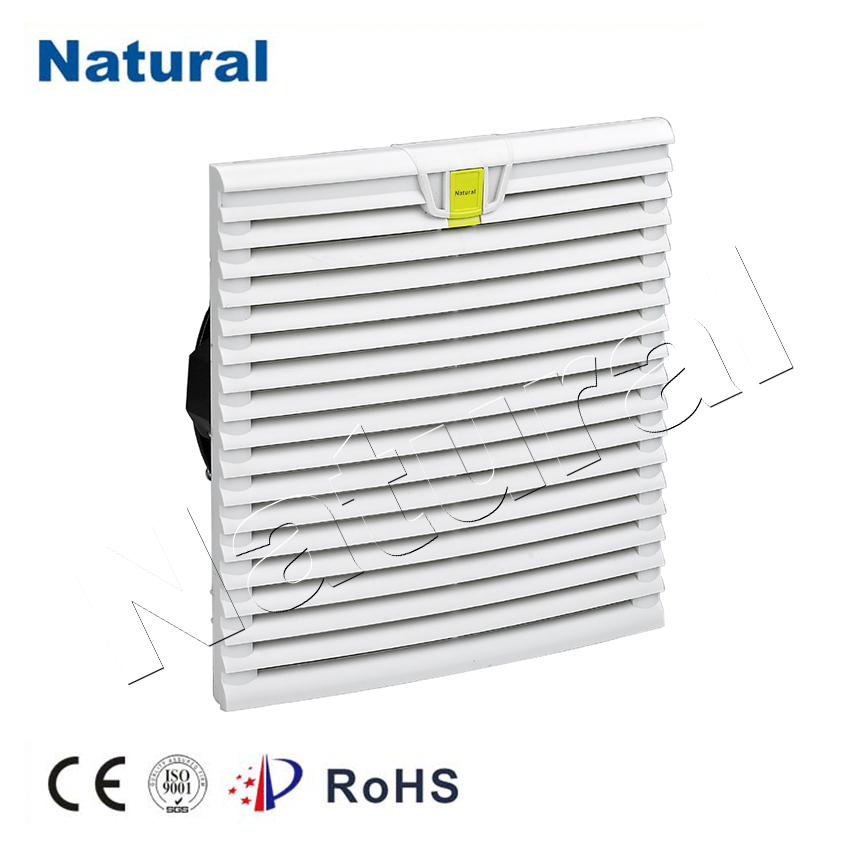
A fan filter is a device used to prevent dust, dirt, and other particles from entering or exiting a system through the fan’s airflow. In essence, it acts as a barrier between the fan and the outside environment, ensuring that only clean, filtered air passes through. Fan filters are often made from materials like fine mesh, foam, or specialized fabrics, and they come in various shapes and sizes to fit different types of fans. The main goal of these filters is to reduce the amount of particulate matter that can accumulate within the system, potentially causing overheating, clogging, and performance degradation.