In today’s fast-paced technological landscape, the demand for reliable and efficient electrical components is at an all-time high. One such component that plays a crucial role in various applications is the relay. A relay serves as an electrically operated switch that enables a circuit to be controlled by a low-power signal or to control multiple circuits with one signal. To ensure the effective procurement of relays, a structured approach is essential. This article provides a comprehensive Relay Procurement Guide designed to aid purchasers in navigating the complexities of sourcing relays.
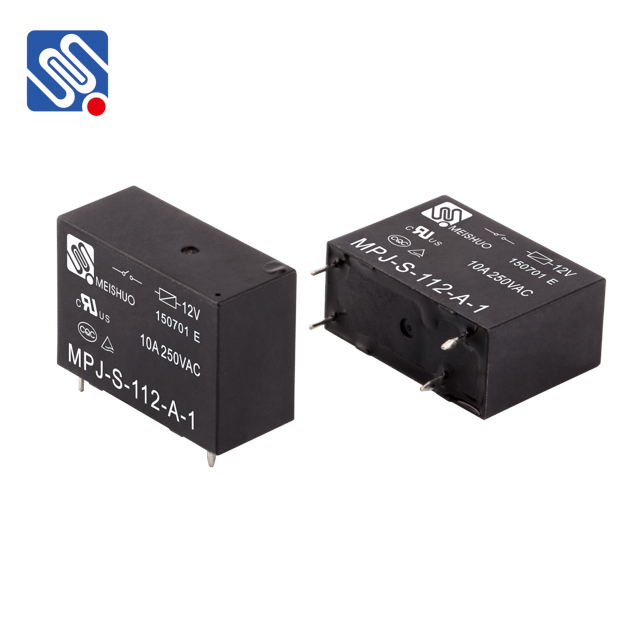
Understanding Your Requirements The first step in the procurement process is defining your specific requirements. This involves understanding the purpose for which the relay will be used. Are you looking for a relay for a low-voltage application, or do you need one that can handle high currents? Different industries may require various types of relays, including electromagnetic relays, solid-state relays, or time-delay relays. By establishing your needs upfront, you can streamline the selection process and avoid costly mispurchases. Supplier Evaluation Once you have a clear understanding of your requirements, the next step is supplier evaluation. The reliability of your supply chain plays a crucial role in ensuring that you receive the right components on time. Start by researching potential suppliers and evaluating their reputation in the industry. Look for certifications such as ISO standards or specific industry-related credentials that demonstrate their commitment to quality. Customer reviews, testimonials, and case studies can also provide valuable insights into a supplier’s reliability and service quality.