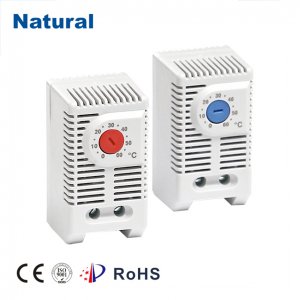
A control panel thermostat is an essential device in modern heating, ventilation, and air conditioning (HVAC) systems. It plays a critical role in regulating indoor temperatures, ensuring comfort, energy efficiency, and consistency in various environments, from residential homes to large industrial facilities. Over the years, the control panel thermostat has evolved from a basic mechanical device to a highly sophisticated electronic system that can be integrated into smart home technologies. This article explores the workings, advantages, and advancements of the control panel thermostat, and its importance in modern climate control systems.
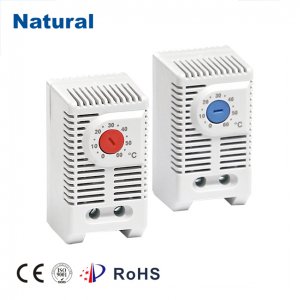
What is a Control Panel Thermostat?
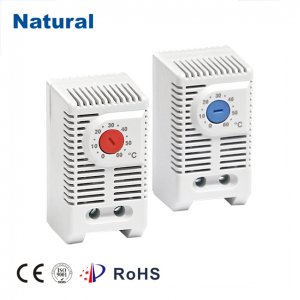
A control panel thermostat is a device used to monitor and regulate the temperature of a heating or cooling system in a particular space. The term “control panel” refers to the user interface where the settings of the thermostat can be adjusted. This panel usually features a display screen, buttons, or touch-sensitive areas that allow users to input desired temperature settings, adjust schedules, and configure other system parameters. The thermostat measures the current temperature and compares it with the user’s desired temperature, triggering the HVAC system to activate or deactivate accordingly.