The installation of a Safety Valve Lock is a crucial safety measure in industrial environments, particularly for equipment like boilers, pressure vessels, and gas containers. These locks are designed to prevent accidental or unauthorized operation of safety valves, ensuring that critical equipment stays secure during maintenance or shutdown. This guide will provide a comprehensive, step-by-step process to install a safety valve lock properly, highlighting key considerations and offering best practices for maintaining safety.
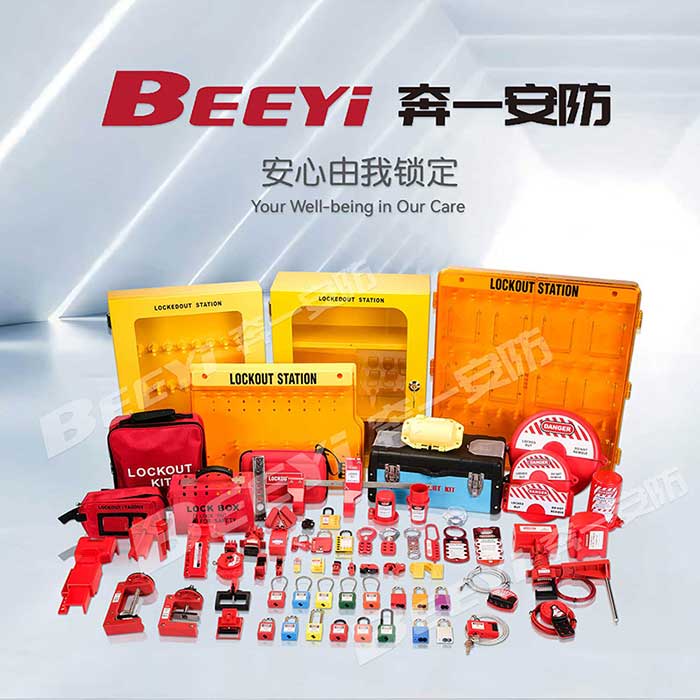
1. Understanding the Importance of Safety Valve Locks Before diving into the installation process, it’s essential to understand the importance of safety valve locks in industrial settings. Safety valves are critical components designed to release pressure when it exceeds a pre-set limit, preventing the equipment from failing. In cases of maintenance or testing, it’s vital to ensure that the valve remains closed to avoid unintended depressurization or system damage. A safety valve lock physically prevents the valve from being opened unintentionally. By locking the valve in its closed position, workers can be sure that the equipment remains in a safe state, and the risks of inadvertent operation or interference are minimized.