The WCB Electric two-seat regulating valve stands as a vital component in modern industrial automation, playing a pivotal role in controlling the flow of fluids with precision and efficiency. As industries continue to evolve, the need for reliable and accurate flow control solutions has become imperative. This article delves into the design, working principles, applications, advantages, and maintenance considerations of the WCB Electric two-seat regulating valve.
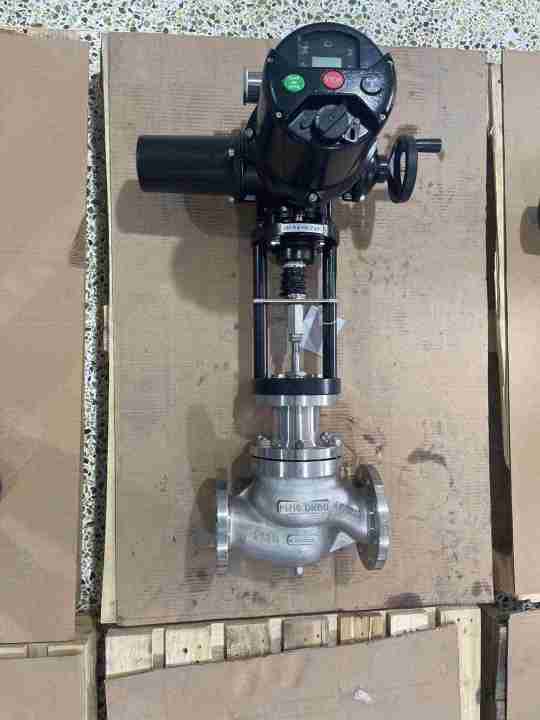
Design Characteristics At its core, the WCB Electric two-seat regulating valve features a unique two-seat configuration that enhances its operational capabilities. Unlike conventional single-seat valves, the two-seat design allows for better flow regulation by enabling two flow paths within the valve. This configuration contributes to improved flow characteristics and minimizes the turbulence that can occur when fluids pass through a valve. The valve is equipped with an electric actuator, which simplifies its installation and integration into automated control systems. The actuator receives an electronic signal, typically ranging from 4-20 mA, indicating the desired position of the valve. As the signal varies, the actuator adjusts the valve’s opening accordingly, allowing for precise control of flow rates.