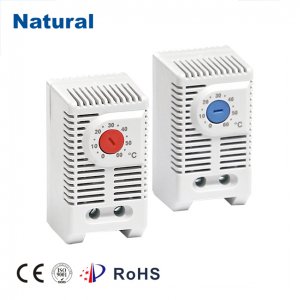
A control bimetal thermostat thermal protector is an essential component in a wide range of electrical devices, providing critical protection against overheating. This type of thermal protector uses the properties of bimetallic materials to regulate temperature, ensuring that devices operate safely and efficiently. In this article, we will explore the function, design, and applications of control bimetal thermostat thermal protectors, shedding light on why they are integral to modern electrical systems.
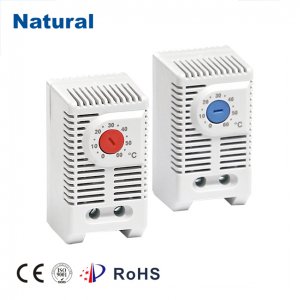
What is a Control Bimetal Thermostat Thermal Protector?
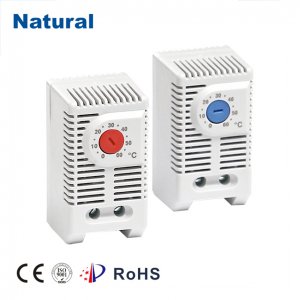
A control bimetal thermostat thermal protector is a temperature-sensitive device designed to prevent excessive heat buildup in electrical appliances and machinery. It functions as a safety mechanism to protect devices such as motors, transformers, or home appliances from overheating, which can lead to damage, reduced efficiency, or even fires. The bimetallic component at the core of the protector consists of two different metals, each with a different coefficient of expansion. When the temperature of the device increases, the metals expand at different rates, causing the bimetallic strip to bend. This bending action activates a switch that either interrupts the power supply or triggers another cooling mechanism, depending on the design.