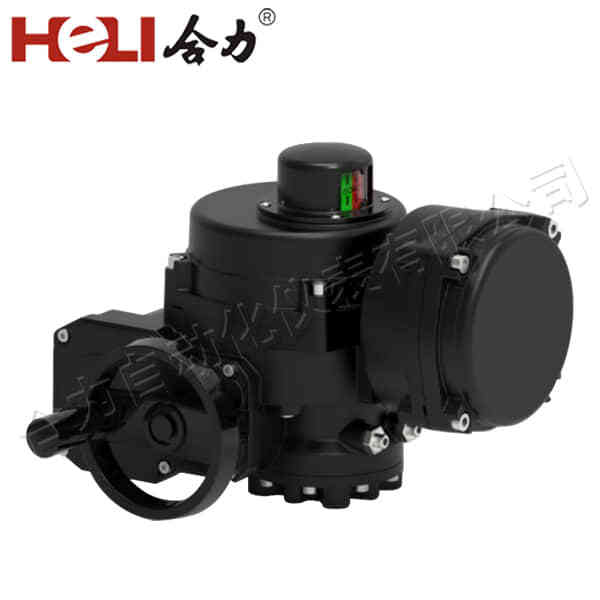
Explosion-proof electrical installations are vital in industries where hazardous environments present a constant risk of explosion. These environments may include places with flammable gases, vapors, or dusts, such as oil and gas platforms, chemical plants, and mining operations. The primary objective of explosion-proof equipment is to prevent ignition and minimize risks to both personnel and infrastructure. This article explores the importance, design principles, standards, and applications of explosion-proof electrical installations.
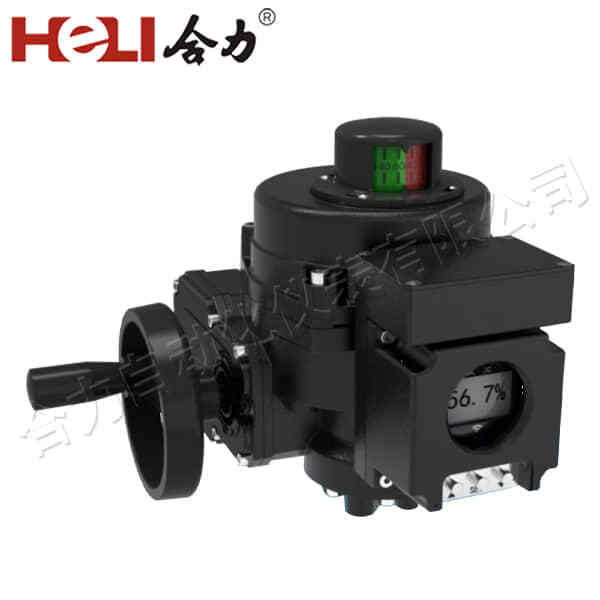
Understanding Explosion-Proof Electrical Installations
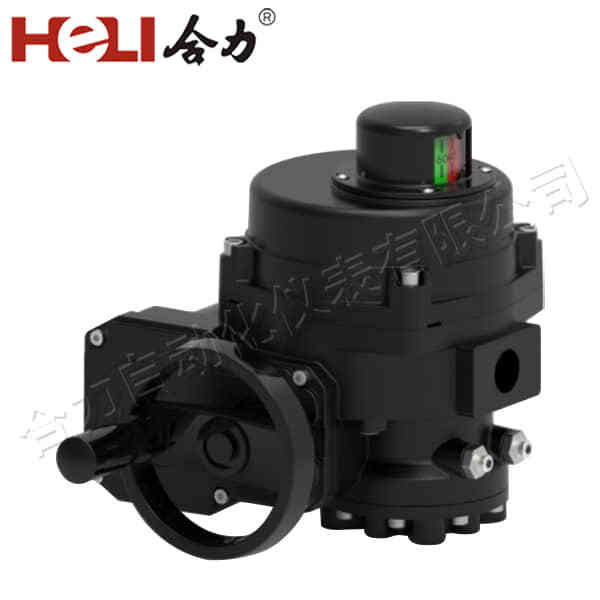
Explosion-proof electrical installations are specifically designed to contain and control any explosions that may occur within electrical equipment, preventing the release of sparks or flames that could ignite the surrounding atmosphere. These installations involve specialized enclosures, wiring, and components that meet strict safety standards, ensuring the equipment operates safely in potentially explosive environments. The concept behind explosion-proof installations is simple: prevent an internal explosion from igniting external hazardous materials. This is achieved by using enclosures that can withstand high pressures and prevent the escape of fire or spark. The equipment is also designed to avoid producing excessive heat, which could otherwise serve as an ignition source. The applications of explosion-proof electrical installations are found in industries where volatile substances are present in the air or surrounding environment.