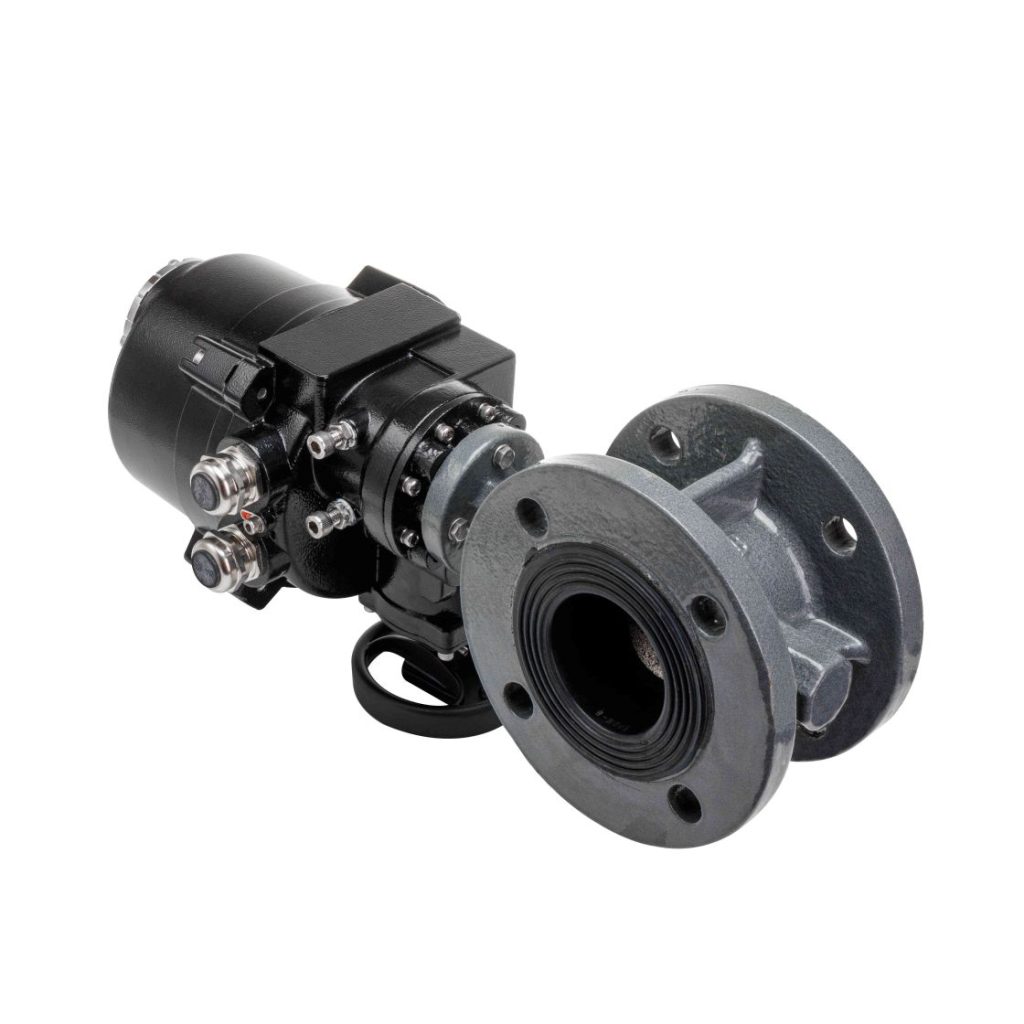
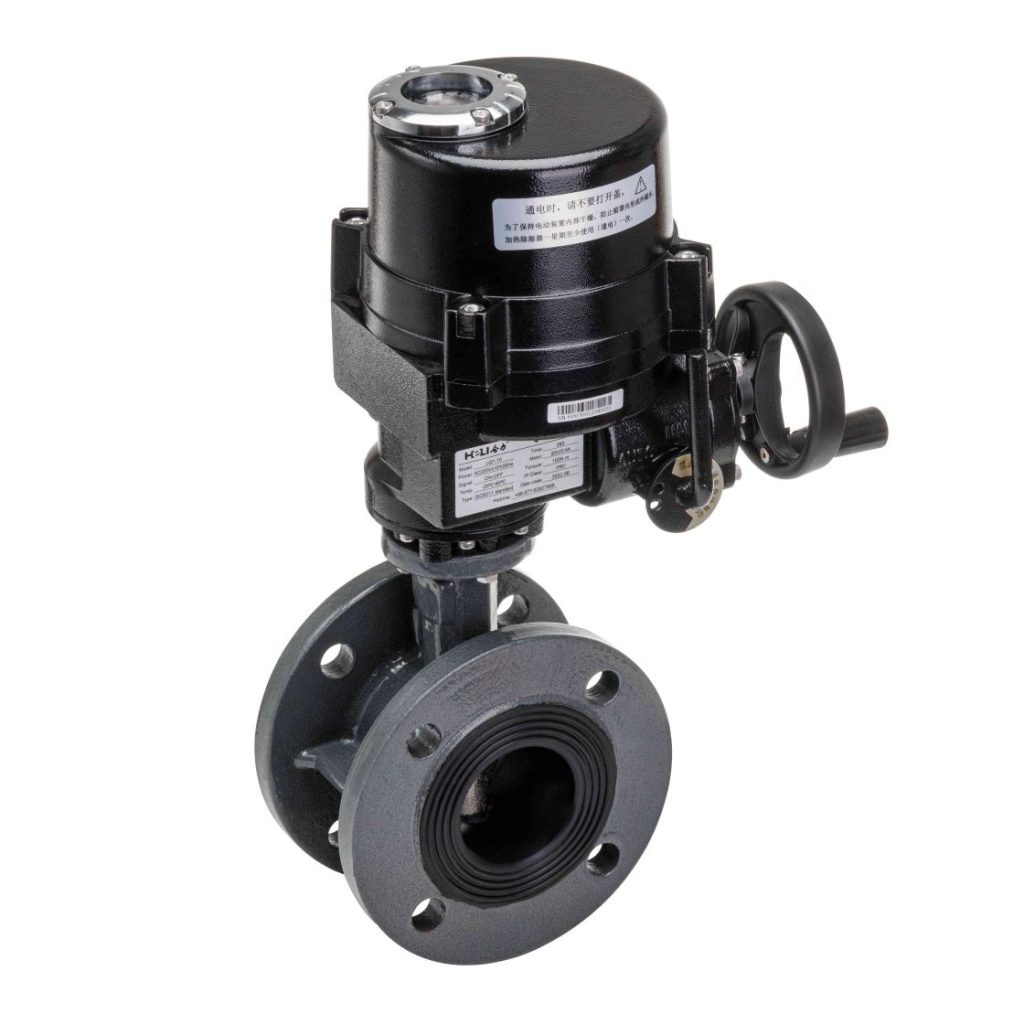
Electric ball valves are increasingly becoming the go-to choice for fluid control in various industrial applications. These devices offer a combination of efficiency, reliability, and automation, making them essential in modern systems. In this article, we will delve into the fundamental aspects of electric ball valves, including their design, advantages, applications, and maintenance.
Design and Functionality
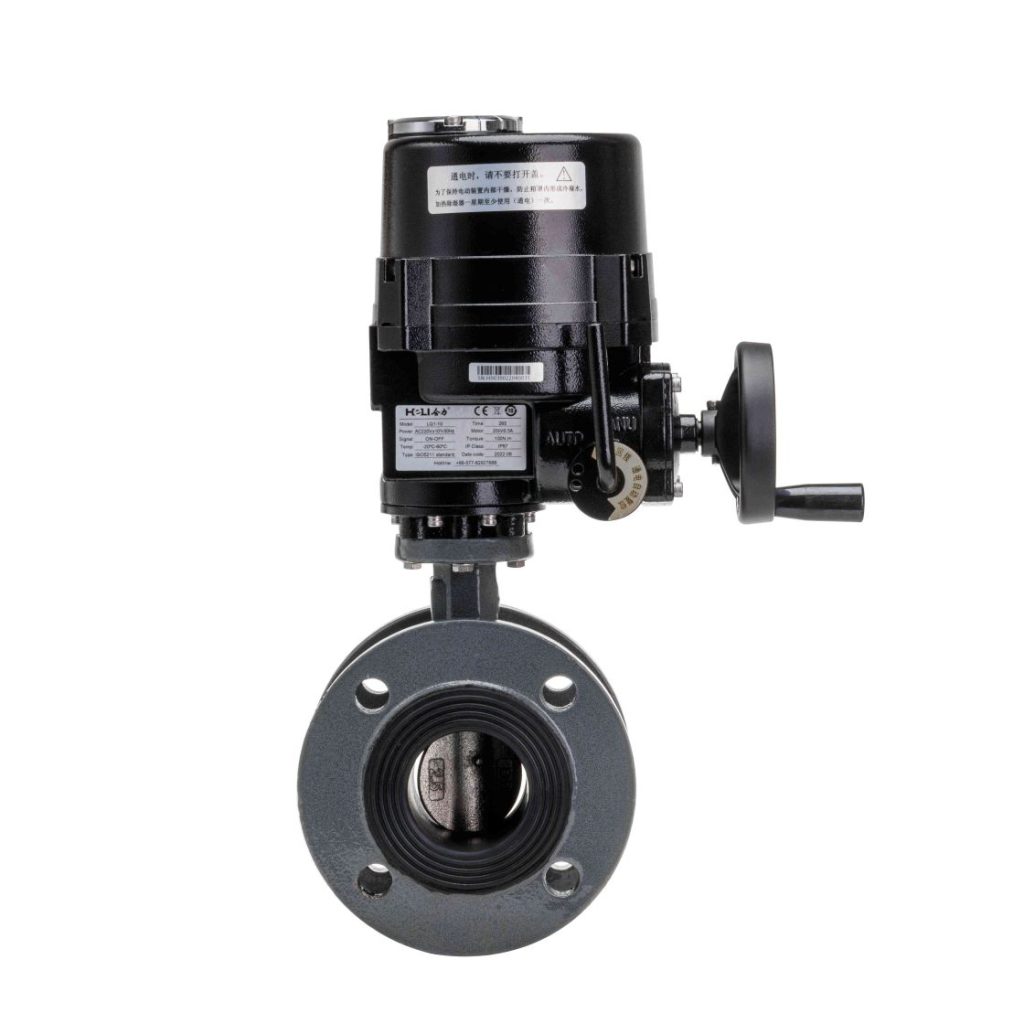
At the heart of an electric ball valve is a spherical disc, or ball, with a hole through its center. When the valve is open, the hole aligns with the flow direction, allowing fluids to pass through. Conversely, when closed, the ball rotates to obstruct the flow completely. The electric actuator connected to the valve automates this process. It transforms electrical energy into mechanical motion, enabling remote operation and precise control over fluid flow. Electric ball valves come in various sizes and materials, catering to different operational environments. Common materials include brass, stainless steel, and plastic, each selected based on the specific requirements of the application, such as temperature, pressure, and fluid type.