The Zigbee Relay Module is an essential component in modern wireless communication systems, widely used in smart homes, industrial automation, and other Internet of Things (IoT) applications. Based on the Zigbee wireless protocol, the Zigbee Relay Module enables devices to communicate wirelessly over short distances, providing the convenience of remote control and automation. This article delves into the features, benefits, and diverse applications of Zigbee Relay Modules, highlighting their importance in creating smart and connected environments.
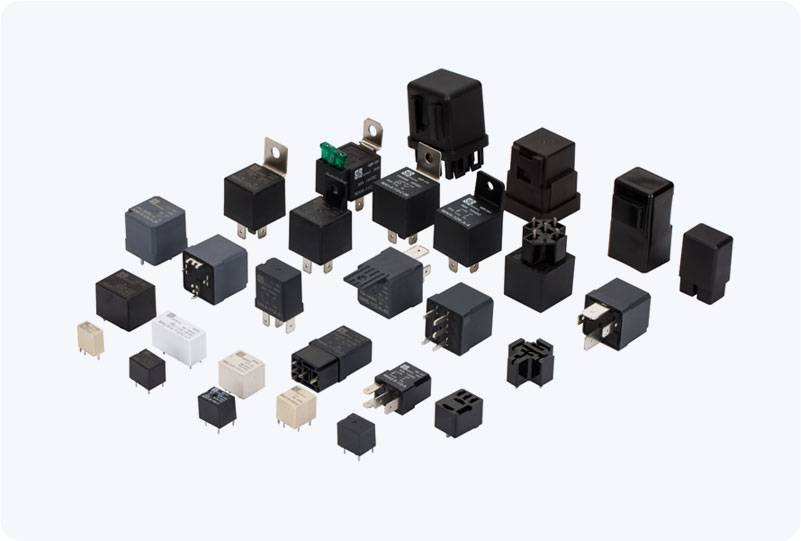
What is Zigbee and Zigbee Relay Module? Zigbee is a low-power, short-range wireless communication protocol designed for connecting devices in a mesh network. It operates on the IEEE 802.15.4 standard and is particularly well-suited for applications that require low data transmission rates, low power consumption, and robust communication over short to medium distances. A Zigbee Relay Module is a device that acts as a bridge between a Zigbee network and various electrical devices. It typically consists of a relay switch that can control electrical equipment, such as lights, fans, or other household appliances. The module can be remotely controlled through a Zigbee network, offering significant advantages in automation and remote monitoring.