The Battery Main Positive Relay is an essential component of modern automotive electrical systems, serving as a vital intermediary between the vehicle’s battery and various electrical devices. As the complexity of automotive electrical systems continues to grow, the role of this relay has become increasingly important in ensuring both the efficiency and safety of these systems. This article explores the function, applications, and significance of the Battery Main Positive Relay in modern vehicles.
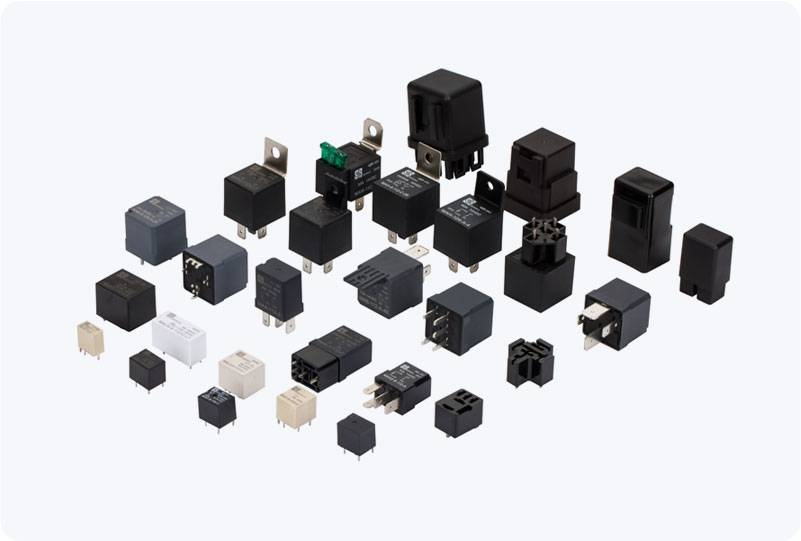
What is a Battery Main Positive Relay? A Battery Main Positive Relay is an electrical relay that controls the connection between the positive terminal of the vehicle’s battery and the rest of the electrical system. It is typically located close to the battery, ensuring that the electrical flow from the battery to critical components is efficiently controlled. This relay operates by opening and closing an electrical circuit, determining whether the battery’s energy is supplied to the vehicle’s electrical systems. In simple terms, it serves as an on/off switch that allows or prevents the flow of electrical power from the battery to various systems in the car. These systems include the ignition, lights, air conditioning, and even the engine control unit (ECU) in some advanced vehicles.