The Optocoupler Protected Relay Module has become a vital component in many modern electrical systems, especially in automation and control applications. Its primary purpose is to provide electrical isolation between different circuits while allowing low-voltage control signals to manage high-voltage devices safely. This unique combination of functions makes the optocoupler protected relay module an essential tool for preventing damage to sensitive components, reducing interference, and ensuring the smooth operation of various electronic systems. In this article, we will explore the key features, working principles, applications, and benefits of the Optocoupler Protected Relay Module.
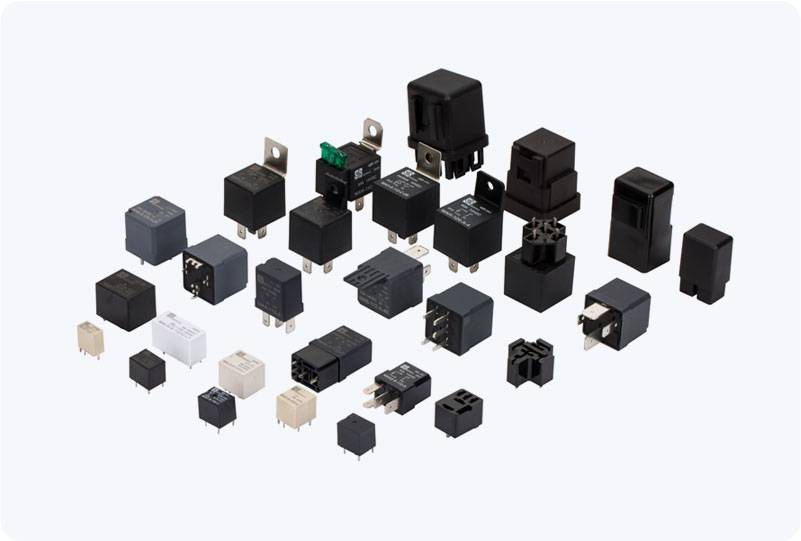
Key Features and Components An Optocoupler Protected Relay Module typically consists of several crucial components: Optocoupler (Optical Isolator): The heart of the module, the optocoupler, provides electrical isolation between the control circuit (low-voltage side) and the load circuit (high-voltage side). It achieves this isolation by using light to transmit signals instead of electrical connections. The optocoupler generally consists of an LED and a phototransistor, where the LED emits light when activated by a low-voltage signal. This light is received by the phototransistor, which then allows current to flow in the output circuit.