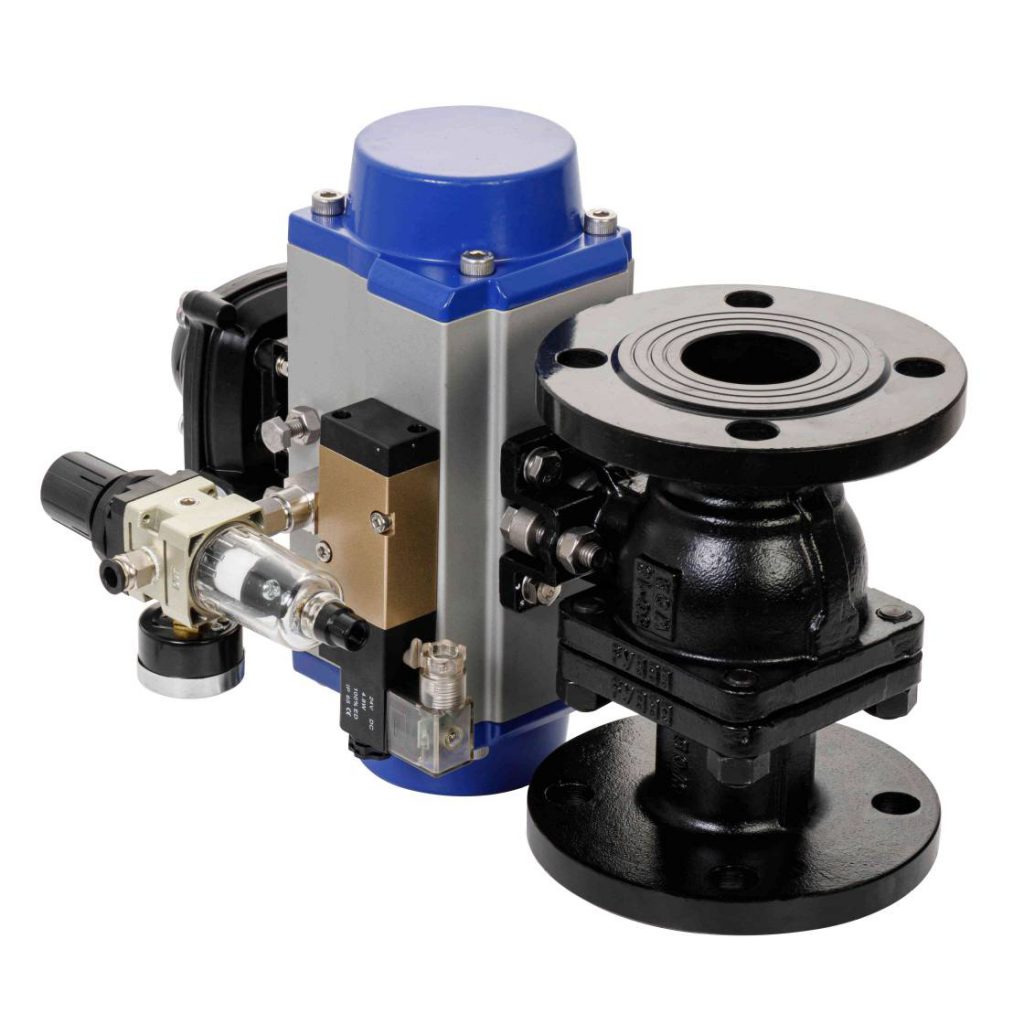
Pneumatic ball valves are an essential component in various industrial processes, particularly in the realm of fluid control. These valves leverage the principles of pneumatic technology to regulate the flow of gases and liquids efficiently. In this article, we will delve into the functioning, advantages, applications, and considerations of pneumatic ball valves, providing a comprehensive overview for engineers and decision-makers.
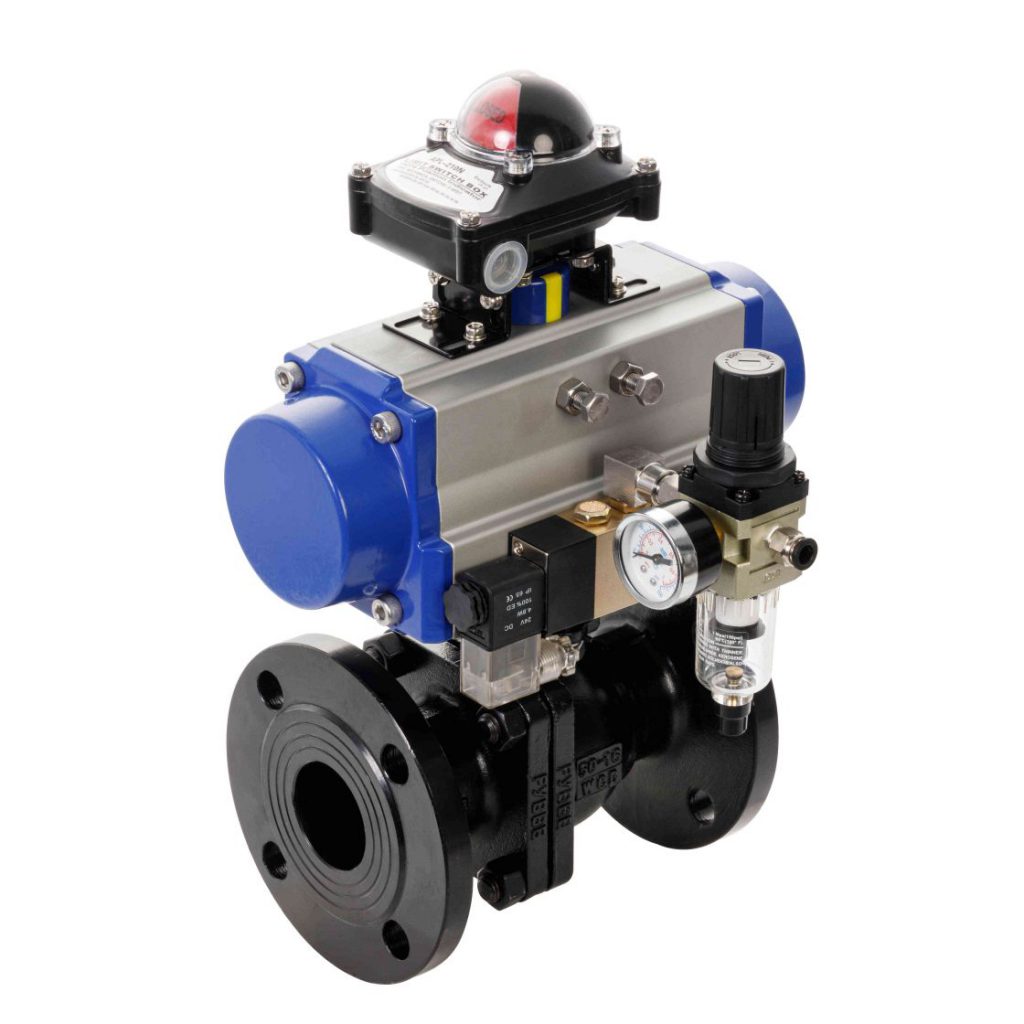
What is a Pneumatic Ball Valve?
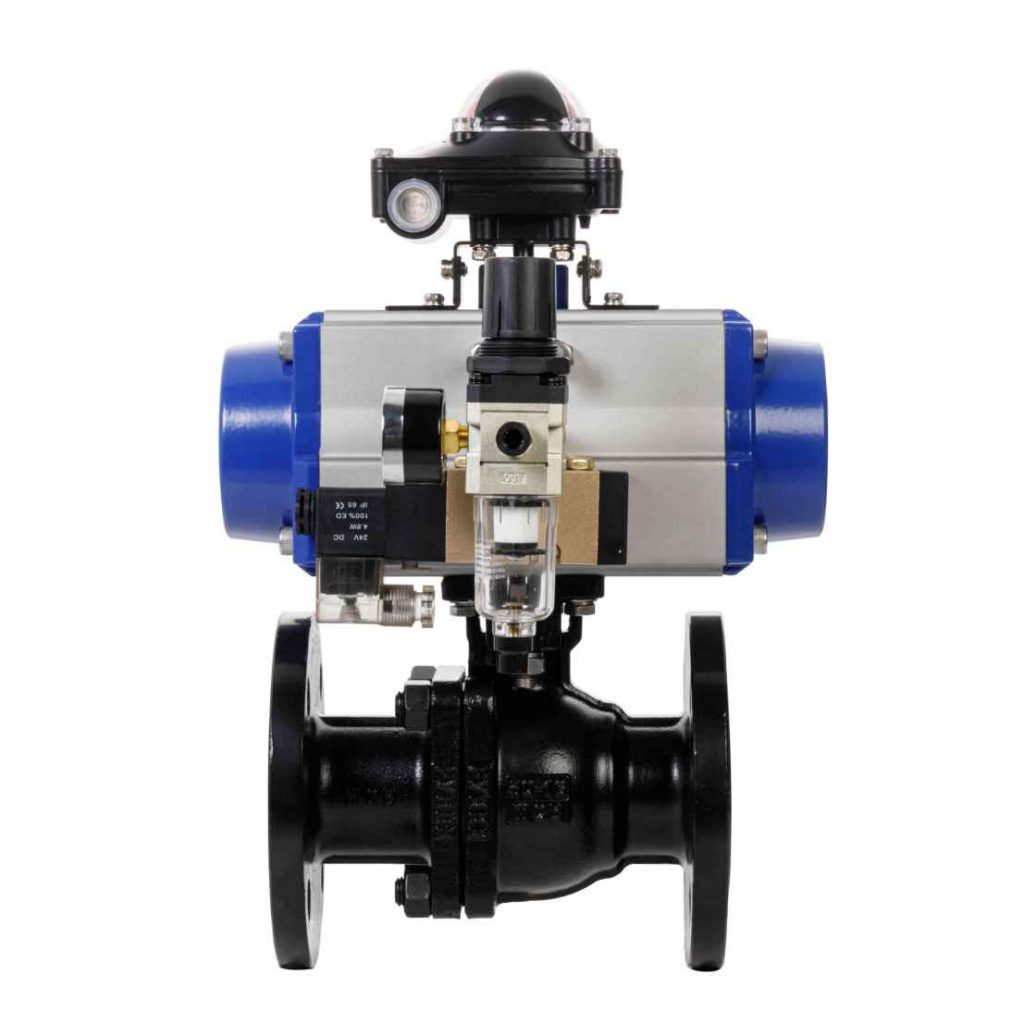
A pneumatic ball valve is a type of quarter-turn valve that uses a spherical disc, known as a ball, to control the flow of fluid. The ball has a hole or port through its center, allowing fluid to flow through when the valve is open. When the valve is closed, the ball rotates 90 degrees to block the flow completely. Pneumatic actuation means that the valve is opened or closed using compressed air, making it ideal for automated systems. Working Principle The operation of a pneumatic ball valve involves an actuator, which is typically mounted on top of the valve. The actuator is controlled by a pneumatic signal that opens or closes the valve. When compressed air is supplied to the actuator, it moves a piston, which then rotates the ball inside the valve body. This straightforward mechanism allows for rapid response times and minimal wear and tear, contributing to the valve’s reliability.