High Current Relays (HCRs) are essential electrical components designed to control high power loads, enabling the safe and efficient operation of electrical systems that require significant current handling. These relays are commonly used in industries, automotive systems, and various applications where large currents need to be switched on or off. Unlike standard relays, which are typically used for lower-power applications, high current relays are built to withstand the stresses of handling heavy electrical loads. This article explores the characteristics, working principle, applications, and importance of High Current Relays in modern electrical systems.
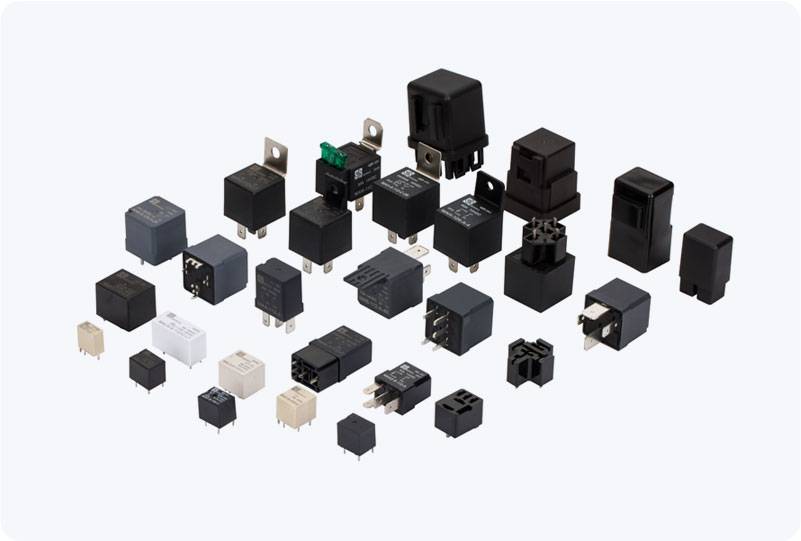
What is a High Current Relay? A High Current Relay is a type of electromechanical switch that can handle much higher currents than standard relays. They are specifically designed to open or close high-power electrical circuits safely, usually with current ratings ranging from tens of amperes to hundreds of amperes. These relays are often used in applications where large electrical devices or machines need to be powered on or off automatically. The fundamental role of a high current relay is to use a small control signal to switch large electrical currents without the need for manual intervention. It operates in much the same way as a standard relay, but with the added capacity to manage much higher power.