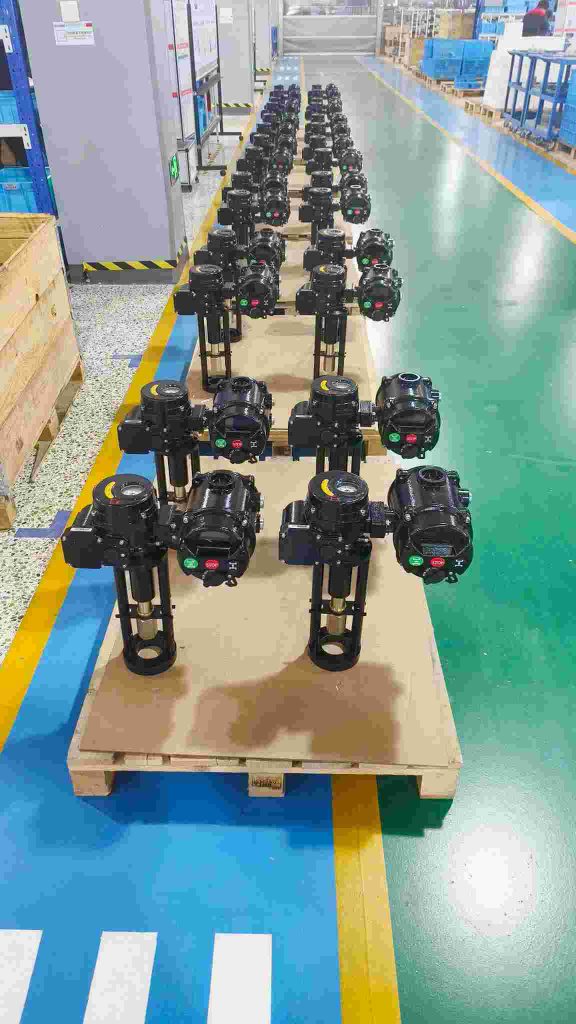
The emergence of the Intelligent Integrated Electric Actuator (IIEA) has marked a significant advancement in automation technologies. As industries continue to evolve, there is a growing need for more efficient, reliable, and precise control systems in various applications. Intelligent integrated electric actuators combine traditional electric actuators with cutting-edge intelligent features, creating a solution that is both energy-efficient and capable of meeting the demands of modern systems. This article explores the function, advantages, and future potential of the intelligent integrated electric actuator.
What is an Intelligent Integrated Electric Actuator?
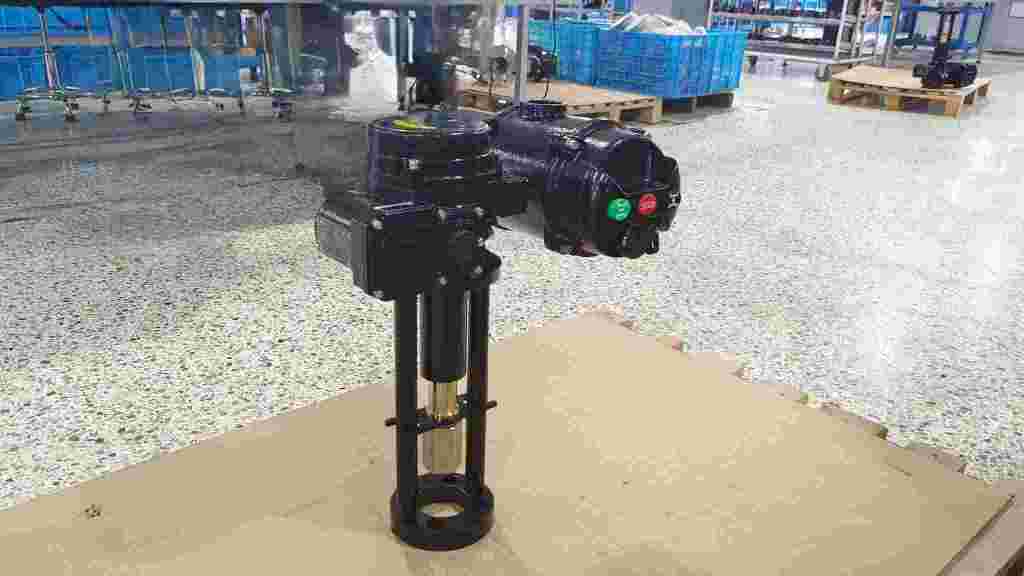
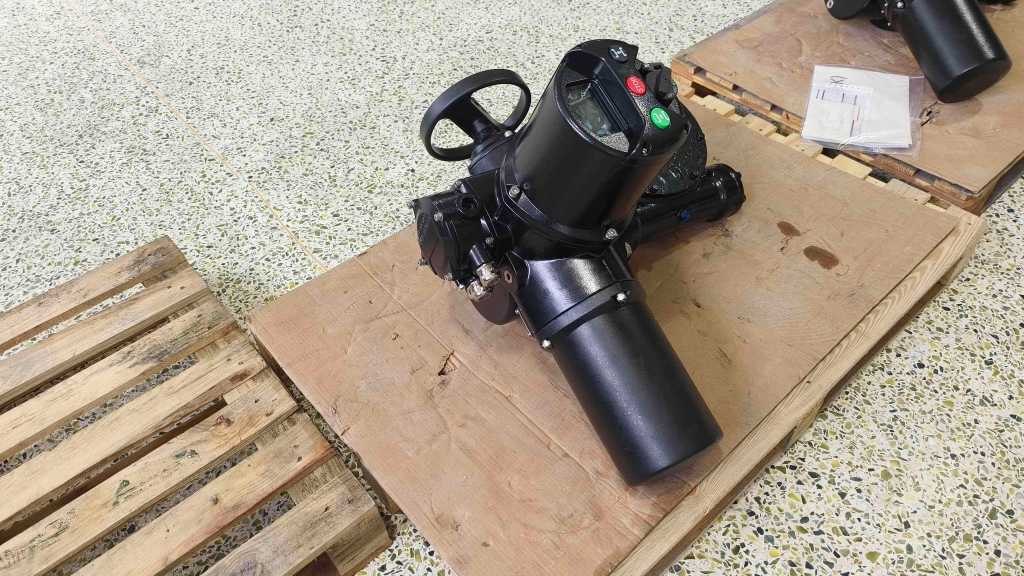
An intelligent integrated electric actuator (IIEA) is a type of actuator that combines mechanical motion control with embedded electronics and software. Unlike traditional actuators, which are primarily driven by motors and require external control systems, IIEAs incorporate sensors, controllers, and communication capabilities directly within the actuator itself. This integration makes the IIEA a self-contained, autonomous unit capable of performing sophisticated tasks with minimal external input. Typically, IIEAs are used to convert electrical energy into mechanical motion, which is applied in various industries such as robotics, automotive, aerospace, and industrial automation. The integration of intelligence allows for more precise control, real-time monitoring, and adaptation to changing operating conditions, which enhances both performance and reliability.