In modern electronics, controlling high-power devices with low-power control signals is a critical requirement in many industries. The Solid State Relay (SSR) is an essential component that helps meet this demand. Unlike traditional mechanical relays, which use physical contacts to switch on and off, SSRs rely on semiconductor components to perform the switching function without any moving parts. This article explores the working principles, advantages, and typical applications of Solid State Relays (SSRs).
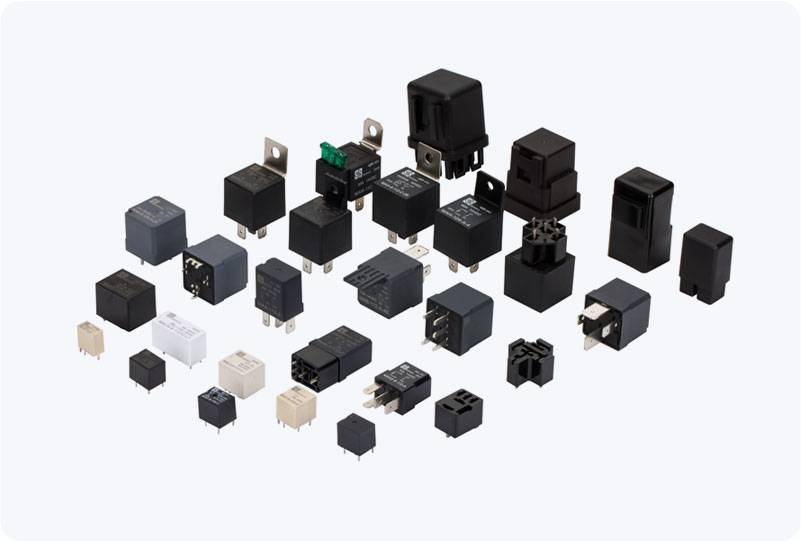
What is a Solid State Relay (SSR)? A Solid State Relay (SSR) is an electronic switching device that controls high-power circuits using low-power control signals. SSRs are widely used to replace mechanical relays in applications where speed, durability, and noise reduction are essential. Unlike traditional electromechanical relays, SSRs rely on semiconductors such as thyristors, triacs, and phototransistors to open or close the circuit, offering significant advantages over mechanical versions. Working Principle of SSR The operation of an SSR is based on the principle of semiconductor devices. Typically, an SSR consists of an input side, control side, and output side: