Car relays are essential components in modern automotive electrical systems. These devices serve as switches that control high-power circuits using a low-power control signal, making them crucial for the operation of various vehicle systems. Whether it’s controlling lights, fuel pumps, or more complex electrical components, relays ensure that power is distributed efficiently and safely. In this article, we will explore different types of car relays, their functions, and why they are vital to vehicle performance.
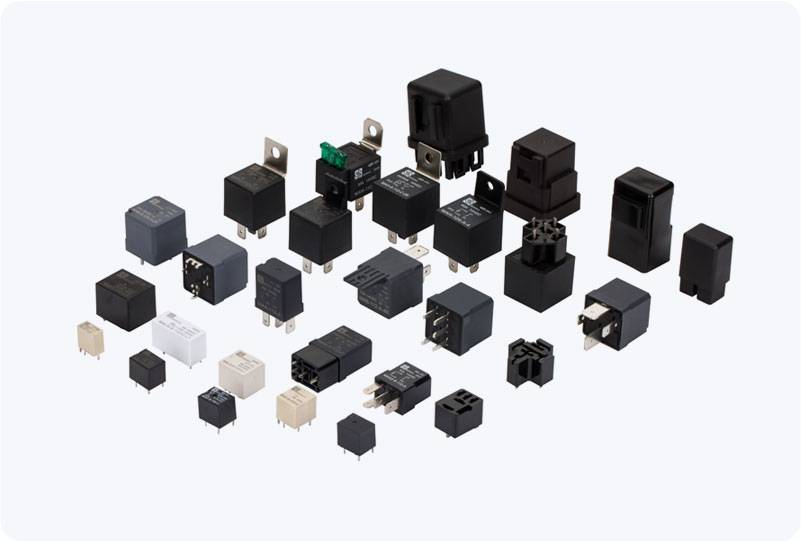
What is a Car Relay? A car relay is an electrically operated switch. It uses a small electrical current to control a larger current, enabling electrical components to operate without directly overloading a vehicle’s main wiring system. Relays are typically used in high-power applications where a low-power circuit is insufficient to handle the load. By using relays, the automotive system can reduce power loss, ensure safety, and prevent damage to sensitive components. Standard Relays
The most commonly found relays in vehicles are standard relays, which typically have five pins. These relays are widely used in applications such as headlights, horn circuits, and fuel pumps. The primary function of these relays is to act as a switch, turning high-power systems on and off based on a signal from the vehicle’s control module.