A 24V 30A relay is a highly useful component in electrical systems where controlling high power and large currents is necessary. It is widely employed in a variety of industrial and automotive applications due to its ability to switch heavy loads, while being controlled by a low-power signal. This article will explore the basic characteristics, working principles, applications, and advantages of the 24V 30A relay.
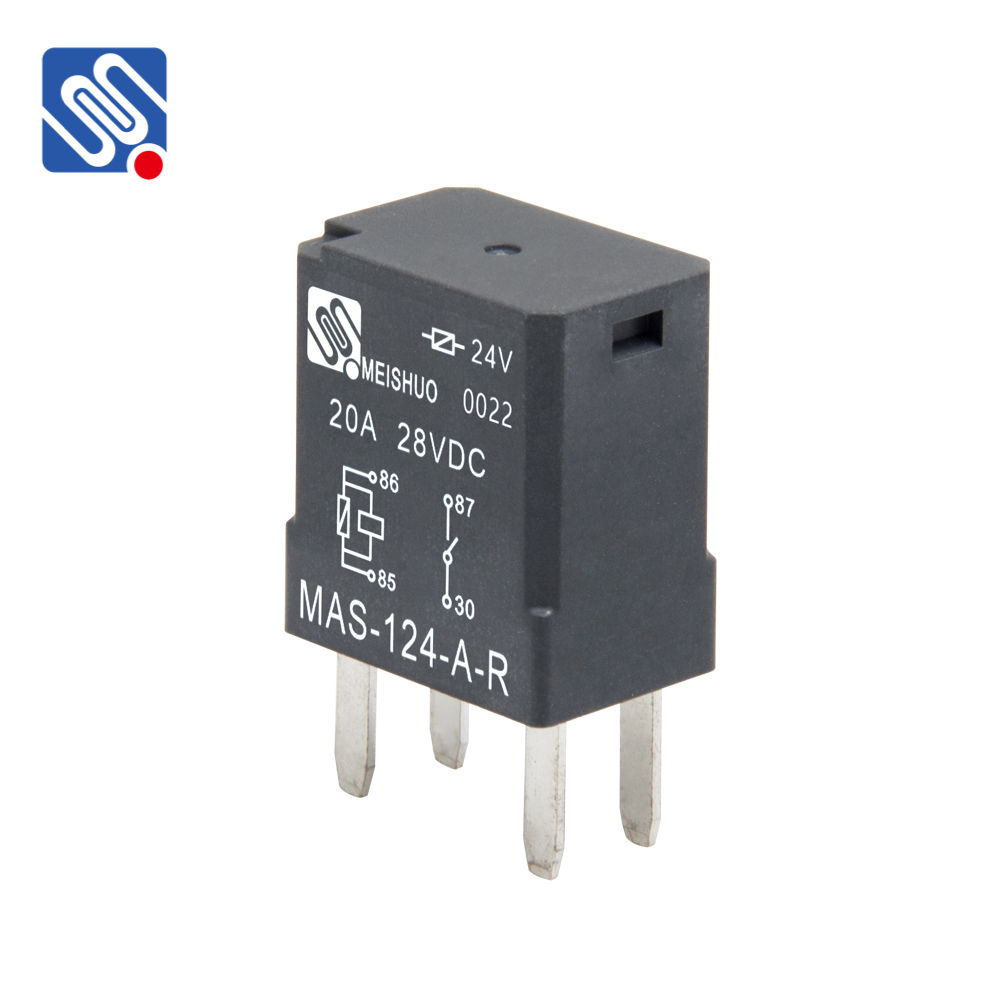
What is a 24V 30A Relay? A 24V 30A relay is an electromechanical switch that uses a 24-volt direct current (DC) to activate or deactivate a set of contacts, controlling a circuit with a maximum current of 30 amperes. It consists of an electromagnetic coil, which, when energized, generates a magnetic field that moves the switch’s contacts to either open or close the electrical circuit. The 24V DC voltage is typically used to power the relay’s coil, while the contacts are capable of switching much higher voltages and currents. The relay is designed to provide electrical isolation between the control circuit and the load, ensuring that sensitive control electronics are not affected by high-voltage surges or noise. The 30A rating refers to the maximum current the relay’s contacts can handle without being damaged, making it suitable for controlling heavy electrical loads.