In various industrial and automation systems, controlling the flow of liquids and gases is essential for maintaining operational efficiency. A crucial component that helps achieve this is the solenoid valve, an electromechanical device that regulates fluid flow. Among the various solenoid valve types available, the Easy Installation Solenoid Valve has emerged as a favored choice for many applications due to its simple and hassle-free installation process. This article explores the benefits, features, and applications of the Easy Installation Solenoid Valve, shedding light on why it is becoming a preferred solution in modern fluid control systems.
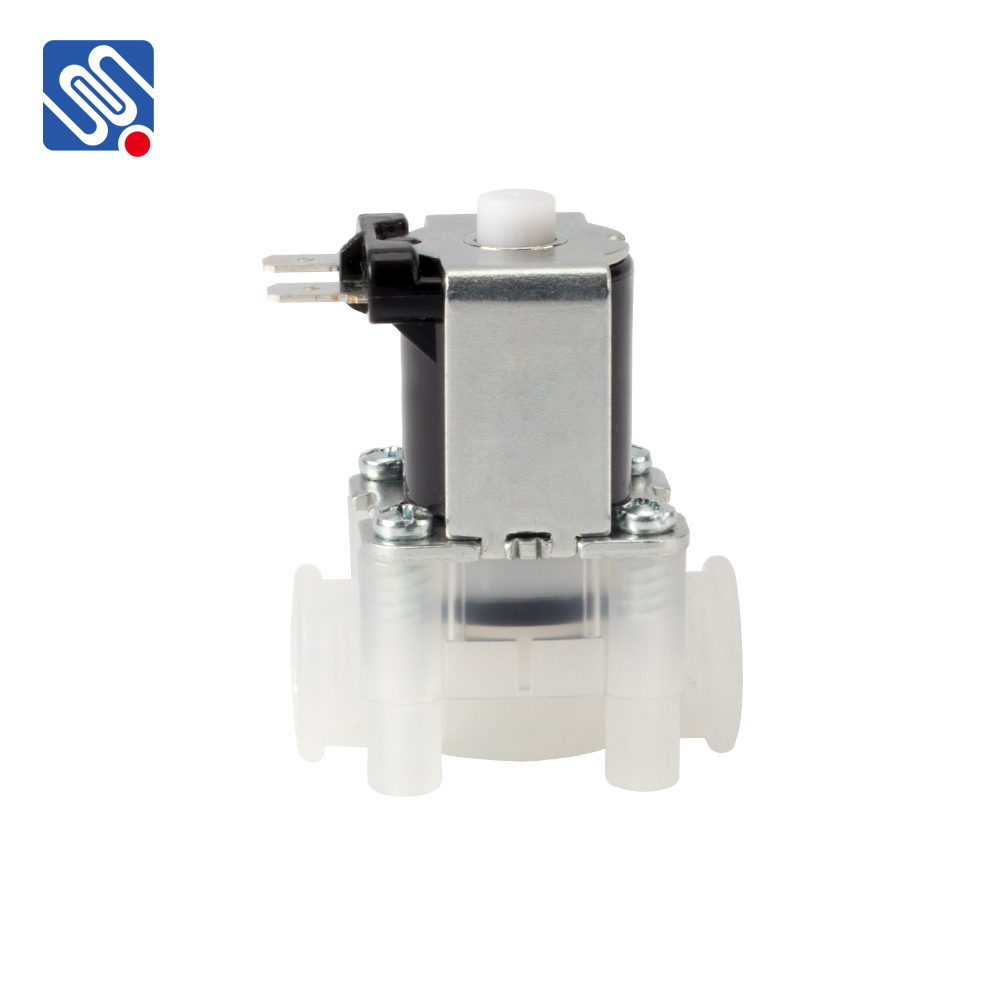
Understanding Solenoid Valves A solenoid valve consists of a solenoid coil and a valve mechanism. When an electrical current passes through the coil, it generates a magnetic field that moves a plunger or diaphragm within the valve, either opening or closing the valve. This operation controls the flow of the fluid—whether liquid or gas—through pipes or other conduits in a system. Solenoid valves can operate in various configurations, such as two-way, three-way, or four-way, depending on the application requirements. While solenoid valves are commonly used in automated systems, they often require precise installation to ensure optimal performance. This is where the Easy Installation Solenoid Valve stands out, offering a straightforward, efficient setup process.