Electric vehicles (EVs) have become an essential part of the global transition towards sustainable transportation. As the industry continues to grow, various technologies are being developed to improve the efficiency, safety, and performance of EVs. One such critical component is the Electric Vehicle High Voltage Relay (EVHVR), which plays a vital role in managing the high-voltage electrical systems that power these vehicles. Understanding the function, design, and importance of this component is crucial for ensuring the safe operation of electric vehicles.
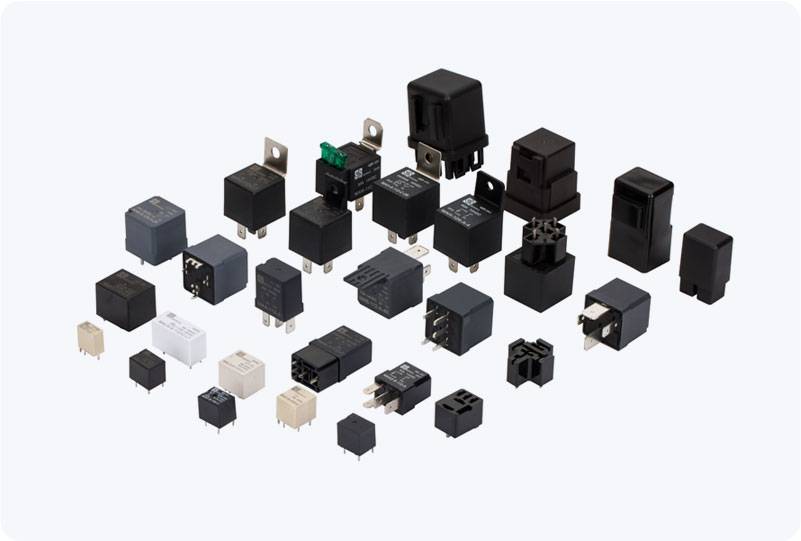
The Role of the Electric Vehicle High Voltage Relay The primary function of an Electric Vehicle High Voltage Relay is to control the flow of electricity between the high-voltage battery and the other electrical components of the vehicle, such as the motor, inverter, and onboard charger. The relay essentially acts as a switch, connecting and disconnecting the electrical circuits as needed. This is particularly important because electric vehicles rely on high-voltage battery systems that can range from 200V to 800V, much higher than the systems found in traditional internal combustion engine vehicles.