Relay type selection plays a crucial role in ensuring the reliable operation of electrical systems. A relay is an electrical device that allows a low-power signal to control the switching of a higher-power circuit. It can be used for various applications, ranging from simple on/off control to complex automation systems. With a wide variety of relay types available, selecting the appropriate one for a particular application can be challenging. In this article, we will discuss the essential factors to consider when choosing a relay type to help you make an informed decision for your specific needs.
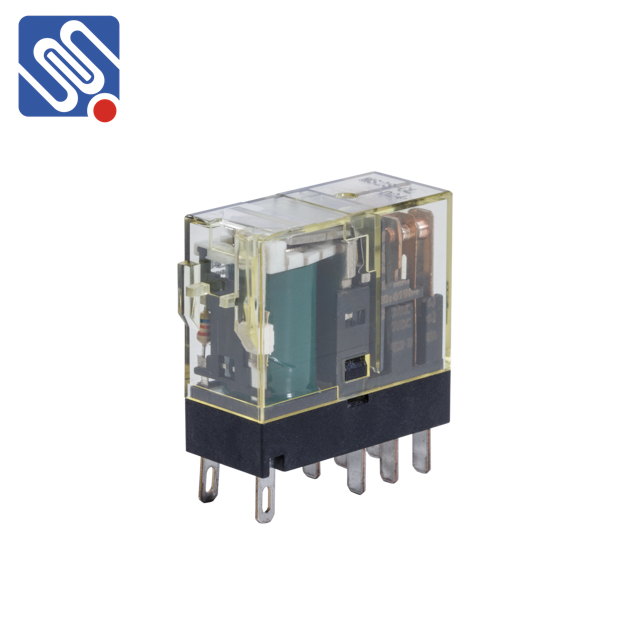
1. Load Voltage and Current Requirements One of the most critical factors when selecting a relay is the load voltage and current. The relay must be rated for the voltage and current levels of the circuit it will be controlling. This ensures that the relay can handle the electrical load without overheating or malfunctioning. For example, if you’re controlling a high-voltage circuit with a 240V AC supply, you would need to choose a relay designed for high-voltage applications. Choosing a relay with a lower voltage rating can lead to failure or safety hazards. 2. Contact Configuration Relays come with different contact configurations, such as normally open (NO), normally closed (NC), or changeover (CO) contacts. The configuration of the relay should match the desired behavior of the controlled circuit. Normally open (NO) contacts are most commonly used, where the relay closes the circuit when energized, allowing current to flow. Normally closed (NC) contacts are used for applications where you want the circuit to be closed by default and open when the relay is activated. A changeover (CO) relay allows for both NO and NC contact options, making it more versatile.