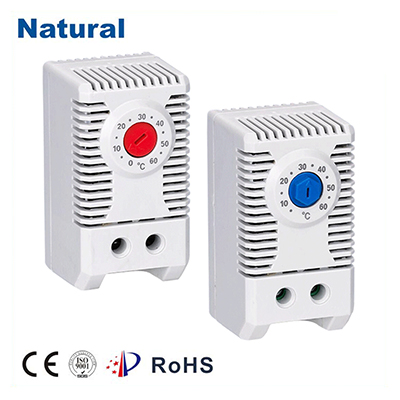
A bimetal thermostat is an essential component in various heating and cooling systems, playing a critical role in maintaining desired temperatures and ensuring efficient operation. This article delves into the fundamentals of bimetal thermostats, their operating principles, and their diverse applications.
What is a Bimetal Thermostat?
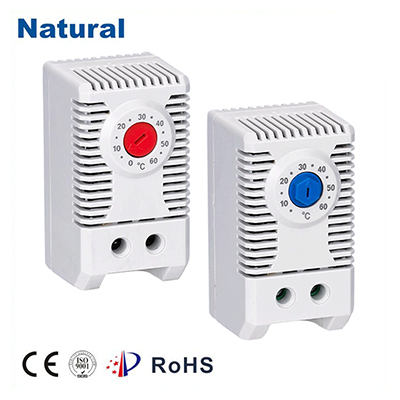
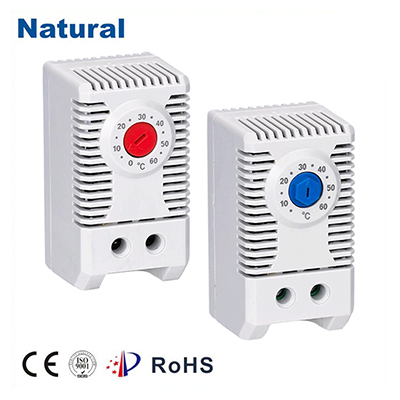
A bimetal thermostat is a type of temperature control device that relies on the thermal expansion properties of two different metals bonded together. These metals, typically with different coefficients of thermal expansion, expand at different rates when subjected to temperature changes. This differential expansion creates a mechanical movement that activates or deactivates electrical contacts within the thermostat. How Does a Bimetal Thermostat Work? The operation of a bimetal thermostat is based on the principle that different metals expand at different rates when heated. Inside the thermostat, a bimetallic strip is formed by bonding two metals with dissimilar thermal expansion properties. As the temperature increases, one metal expands more than the other, causing the strip to bend.