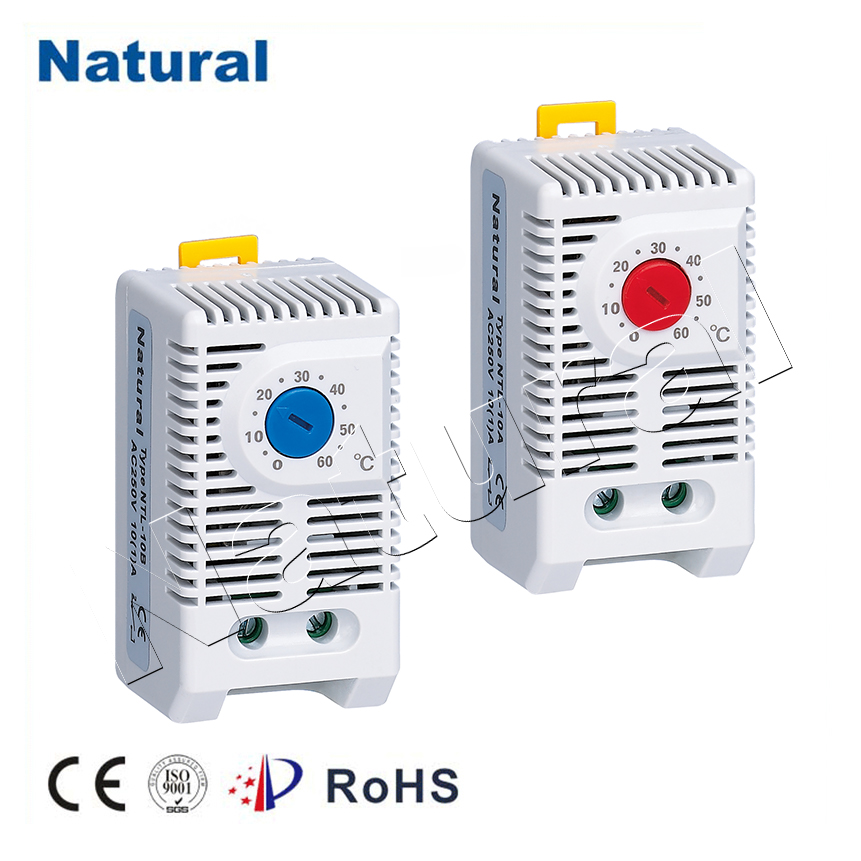
Electric cabinets, often used in industrial and commercial settings, are designed to protect sensitive electronic equipment from environmental factors. These cabinets house various components such as circuit breakers, transformers, and controllers, which require specific temperature conditions to function properly. One of the key elements that help maintain these conditions is the electric cabinet thermostat. This article explores the role of thermostats in electric cabinets, their importance in regulating temperature, and how they contribute to the longevity and reliability of the equipment inside.
What is an Electric Cabinet Thermostat?
An electric cabinet thermostat is a device designed to control and monitor the temperature inside an electric cabinet. It ensures that the temperature remains within an optimal range for the safe and efficient operation of the equipment housed within the cabinet. Electric cabinets can become susceptible to heat buildup due to the constant operation of electronic components. If the temperature inside the cabinet rises too high, it can cause damage to the equipment or lead to malfunctions, potentially resulting in costly downtime or system failure. The thermostat works by continuously measuring the temperature inside the cabinet. When the temperature exceeds the set point, the thermostat activates a cooling or ventilation system to bring the temperature down to a safe level. Conversely, if the temperature drops too low, the thermostat can trigger heating elements to prevent the equipment from freezing or experiencing reduced performance due to cold temperatures.